


Egyptian Exchange Weekly Harvest – End-of-Session Analysis - 29 September 2026

Egyptian Exchange Weekly Harvest – End-of-Session Analysis - 29 September 2026
The Egyptian stock market closed Tuesday's session under clear selling pressure, which reduced market capitalization by around EGP 14.7 billion, while the main indices showed mixed performance — rising at the open and falling at the close. This volatility reflects external pressures from rising US Treasury yields and Middle East geopolitical tensions, alongside domestic factors such as steady interest rates at 19% and exchange rate fluctuations around EGP 52 per USD. The analysis is based on local press releases and global reports, incorporating the AI‑driven signal that characterised the market as negative due to a weak health index (38.4) and a limited upside ratio (16.7%) compared with a dominant downtrend (61.6%).
Index Analysis
#### EGX30 Index
The EGX30 closed at 52,800 points, down 0.42% from the previous session’s close. The opening was bullish, lifting the index to 53,200 points on light Arab and Egyptian liquidity inflows, but selling pressure from local institutions and profit‑taking pushed the index back to its main support zone.

#### EGX70 Index
Conversely, the EGX70 posted a relatively better performance, closing at 12,450 points with a modest gain of 0.21%. This uptick reflects gains in mid‑ and small‑cap stocks that benefited from new financing for SMEs exceeding EGP 300 billion, together with news of expansions in the energy and infrastructure sectors.

Analytical Note: The divergent direction between EGX30 and EGX70 shows that selling pressure is concentrated mainly in large‑cap leadership stocks, while the mid‑cap segment retains relative resilience due to targeted financing flows and central bank support for SMEs.
#### Support and Resistance Levels for EGX30
| Level | Value (Points) | Type |
|---|---|---|
| First Support | 51,900 | Short‑term Support |
| Second Support | 50,900 | Medium‑term Support |
| First Resistance | 53,600 | Immediate Resistance |
| Second Resistance | 54,300 | Upper Resistance |
Key Stock Analysis
#### Commercial International Bank (COMI)
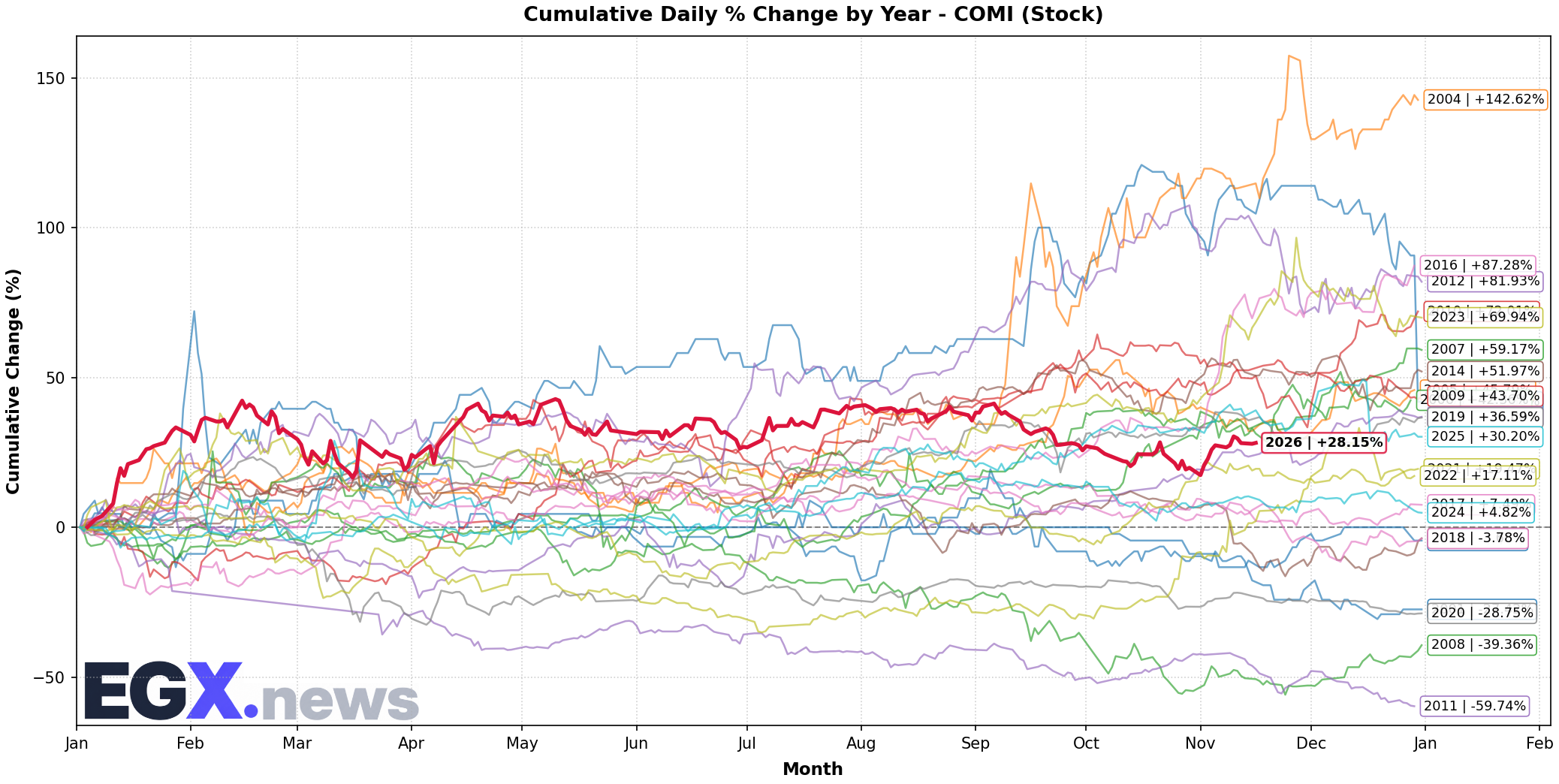
COMI ranks among the exchange’s largest liquidity drivers, with weekly trading volume exceeding EGP 3.2 billion. The share closed at EGP 68.50, down 0.35% from the prior session. The stock is underpinned by strong growth in its SME loan portfolio, which surpasses EGP 300 billion, together with a zero‑interest instalment initiative that boosts consumer spending.
| Level | Value (EGP) | Type |
|---|---|---|
| Support | 66.80 | Short‑term Support |
| Resistance | 70.20 | Immediate Resistance |
| Medium‑Term Target | 73.00 | Quarterly Target |
#### Talaat Moustafa Group Holding (TMGH)
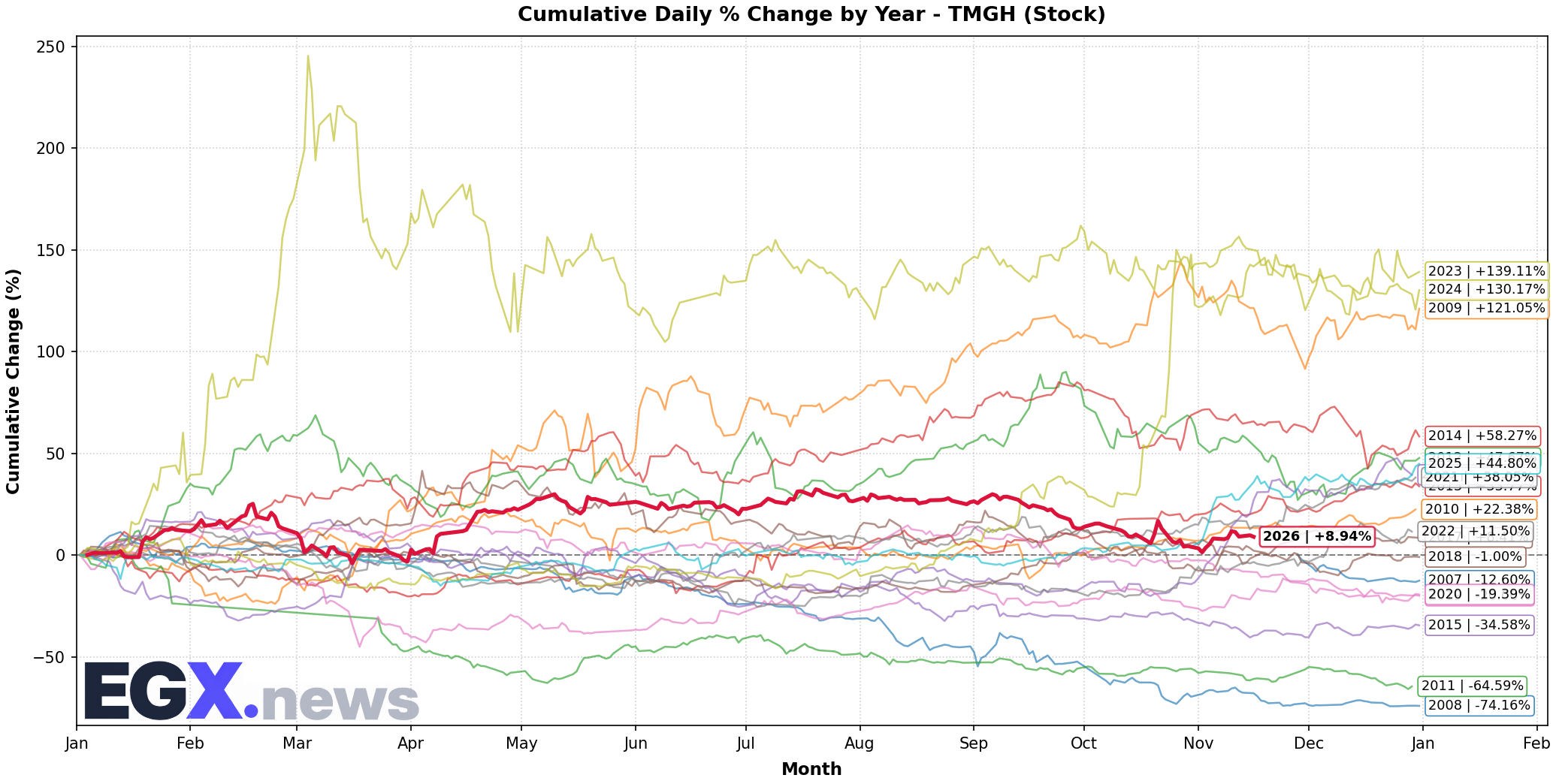
TMGH shares face selling pressure due to declining residential unit sales and rising buyer default rates, pushing the stock down to EGP 12.30, a 0.9% decline. The drop is attributed to higher debt burdens and reduced financial flexibility, despite the company’s announcement of a new partnership with Toshiba Mitsubishi to enhance energy‑efficiency solutions and data centres, which could provide a medium‑term upside.
| Level | Value (EGP) | Type |
|---|---|---|
| Support | 11.80 | Short‑term Support |
| Resistance | 13.00 | Immediate Resistance |
| Medium‑Term Target | 14.20 | Quarterly Target |
#### Abu Qir Fertilizers (ABUK)
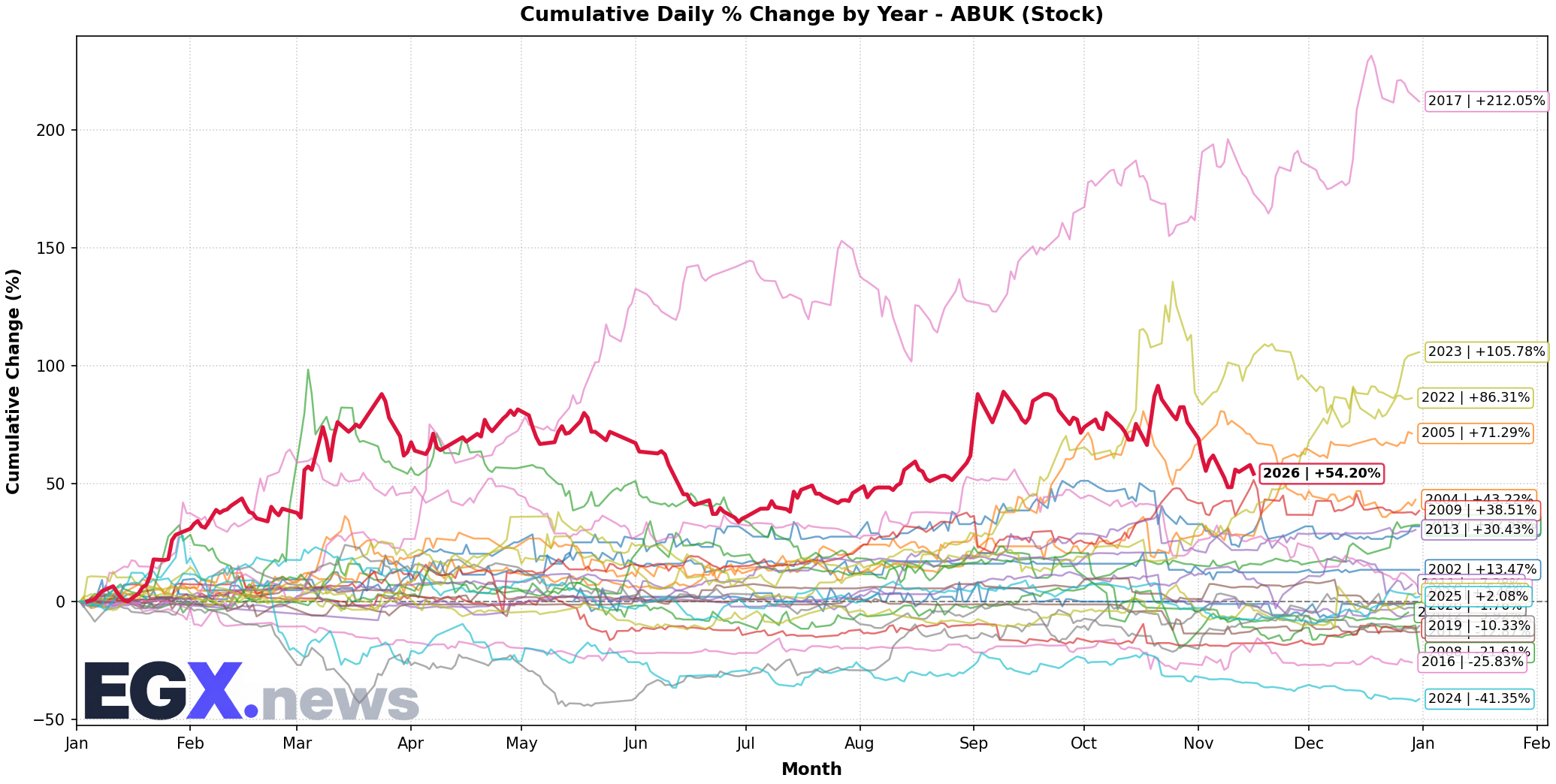
ABUK shares showed relative stability, closing at EGP 23.60 with a marginal change of only 0.10%. The stock benefits from higher nitrogen‑fertilizer output and plans to expand production capacity under governmental support for agriculture, coupled with news that Upper Egypt Flour Mills approved an increase in paid‑in capital and the addition of new activities, reinforcing confidence in earnings sustainability.
| Level | Value (EGP) | Type |
|---|---|---|
| Support | 22.90 | Short‑term Support |
| Resistance | 24.50 | Immediate Resistance |
| Medium‑Term Target | 25.80 | Quarterly Target |
#### El Sewedy Electric (SWDY)
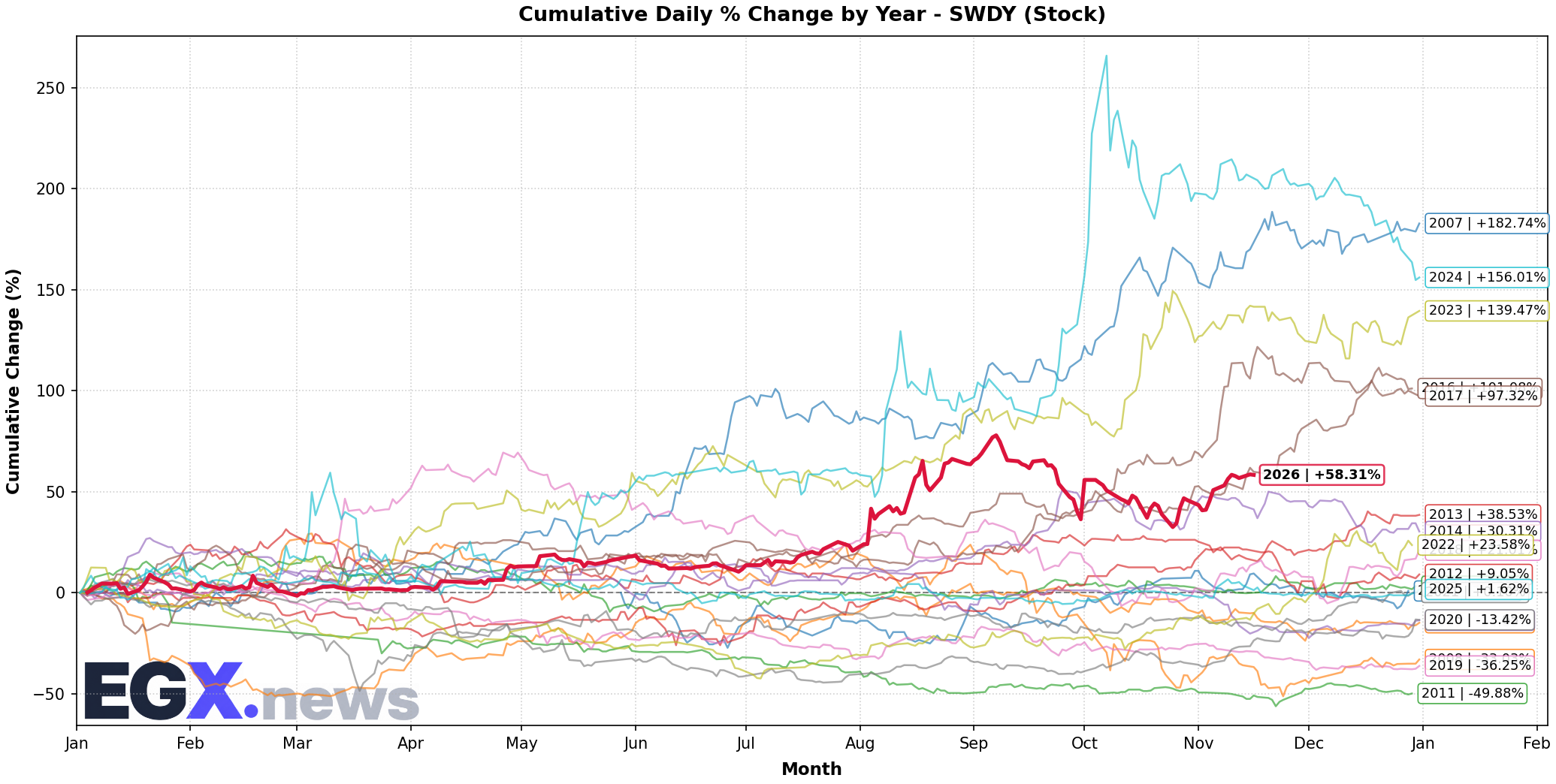
SWDY shares closed at EGP 15.70, down 0.45% after news of toll‑fee increases on the Wadi Natrun–Alamein road of up to 100%, which could raise the company’s logistics costs. Conversely, the Inovo Redcon consortium’s award of a EGP 12 billion contract to execute construction works on the Wadi Yam project provides a future revenue pipeline that may alleviate near‑term pressure.
| Level | Value (EGP) | Type |
|---|---|---|
| Support | 14.90 | Short‑term Support |
| Resistance | 16.60 | Immediate Resistance |
| Medium‑Term Target | 17.80 | Quarterly Target |
Liquidity Levels and Financial Ratios
| Indicator | Value | Interpretation |
|---|---|---|
| Current Ratio for the Banking Sector | 1.45 | Indicates sufficient capacity to cover short‑term obligations. |
| Quick Ratio for the Banking Sector | 0.98 | Near the caution threshold, reflecting reliance on inventory. |
| Debt‑to‑Equity Ratio for the Real Estate Sector | 0.62 | A moderate level of financial leverage. |
| Return on Equity (ROE) for the Banking Sector | 12.3% | An attractive return compared with the market average. |
| Bid‑Ask Spread for Mid‑Cap Stocks | 0.42% | Indicates relatively acceptable liquidity in EGX70. |
Summary and Recommendations
The session analysis shows that the Egyptian market is facing primary downward pressure stemming from rising US Treasury yields and Middle East geopolitical developments, while domestic factors such as growth in SME financing, steady interest‑rate policy, and support for select sectors (energy, agriculture, infrastructure) provide pockets of resilience.
Technically, EGX30 remains under resistance pressure at 53,600 points, with a potential test of support at 51,900 points if profit‑taking persists. EGX70 shows relative resilience and may challenge resistance at 12,800 points should positive news on financing and SMEs continue.
- COMI remains a candidate for holding owing to its strong fundamentals and growth in SME lending; monitor a break above EGP 70.20 as a potential buy signal.
- TMGH confronts short‑term risk from rising payment defaults; it is prudent to await stabilization of default rates before entering long positions.
- ABUK provides relative stability with a modest upward bias; it may be suitable for portfolios seeking steady returns.
- SWDY faces temporary logistical headwinds; the stock can be considered a speculative play on the large‑contract news, with a stop‑loss placed below EGP 14.90.
Overall, a balanced approach is advised: reduce exposure to high‑weight large‑caps until clear reversal signals emerge, increase the relative weighting toward mid‑caps that display fundamental strength and acceptable liquidity, and employ stop‑loss orders to safeguard capital amid ongoing volatility.
Live Egyptian Equities Coverage
Track real-time quotes, order book market depth, and quantitative technical analytics for all 299 listed companies.
Open Real-Time Market Terminal →