


Egyptian Exchange End-of-Session Analysis - 13 October 2026

Egyptian Exchange End-of-Session Analysis - 13 October 2026
Introduction
The session closed with a clear decline in the main indices amid continued pressure on the Egyptian pound and outflows of capital. The EGX30 index fell by 0.68%, while the EGX70 index dropped more sharply by 2.74%. This movement occurs within a domestic and international environment filled with contradictory signals, necessitating a careful reading of technical and monetary policy performance.
---
Summary of Local and Global News
- Local:
- A Korean sportswear factory in West Qantara with investments up to $30 million.
- The central bank withdrew EGP 285.3 billion in open market deposits.
- The dollar rose 17 piastres to record an average selling rate of EGP 52.88 at the close of trading.
- The Prime Minister issued a decision forming the Board of the Financial Regulatory Authority, chaired by Dr. Islam Azzam, for four years.
- Coverage of the IPO of company MNT exceeded five times by the end of the fourth day.
- Cairo Bank intends to offer 30% of its shares on the Egyptian Exchange.
- Remittances from Egyptians abroad increased 27% over eight months to $34 billion.
- Global:
- OPEC cut its forecast for 2026 oil demand growth to 400,000 barrels per day.
- The International Monetary Fund warned of global economic setbacks and raised its forecast for Egypt's economic growth to 4.7% for the current fiscal year.
- Geopolitical tensions and rising energy prices continue to push investors away from emerging markets.
These factors have left an atmosphere of anticipation and caution, with attention turning to the extent to which domestic policies can absorb external shocks.
---
Indices Analysis
#### EGX30 (Main Index)
The main index showed a slight decline of 0.68%, closing at the level of 49,700 points. Overall performance was volatile, with selling pressure on leading stocks, especially in the financial sector.

#### EGX70 (Small and Mid-Cap Index)
EGX70 recorded a decline of 2.74%, closing at 21,300 points. This decline reflects broad weakness in small- and mid-cap stocks, which suffer from limited liquidity and higher sensitivity to exchange rate changes.

Critical Note: The market showed that 15.9% of stocks 62.3%, indicating a broad downward trend.
---
Analysis of Key Stocks
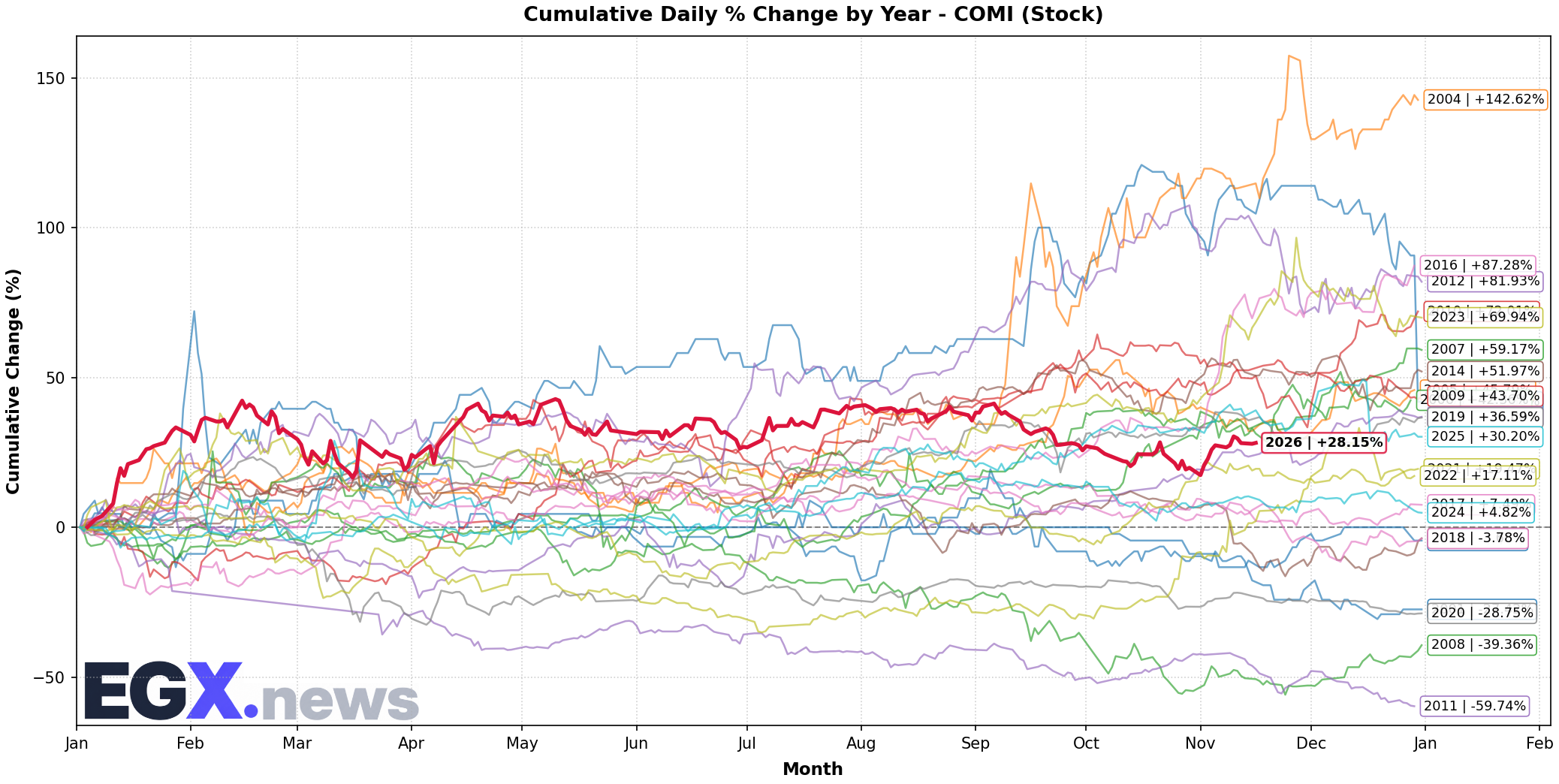
#### Commercial International Bank (COMI)
COMI is considered one of the leading stocks and has shown relative stability compared to its peers. The stock closed at EGP 62.40 with average trading volume, reflecting investor confidence in the bank’s strong capital base and expansion policy (new travel rewards program and expectation of healthy loan growth).
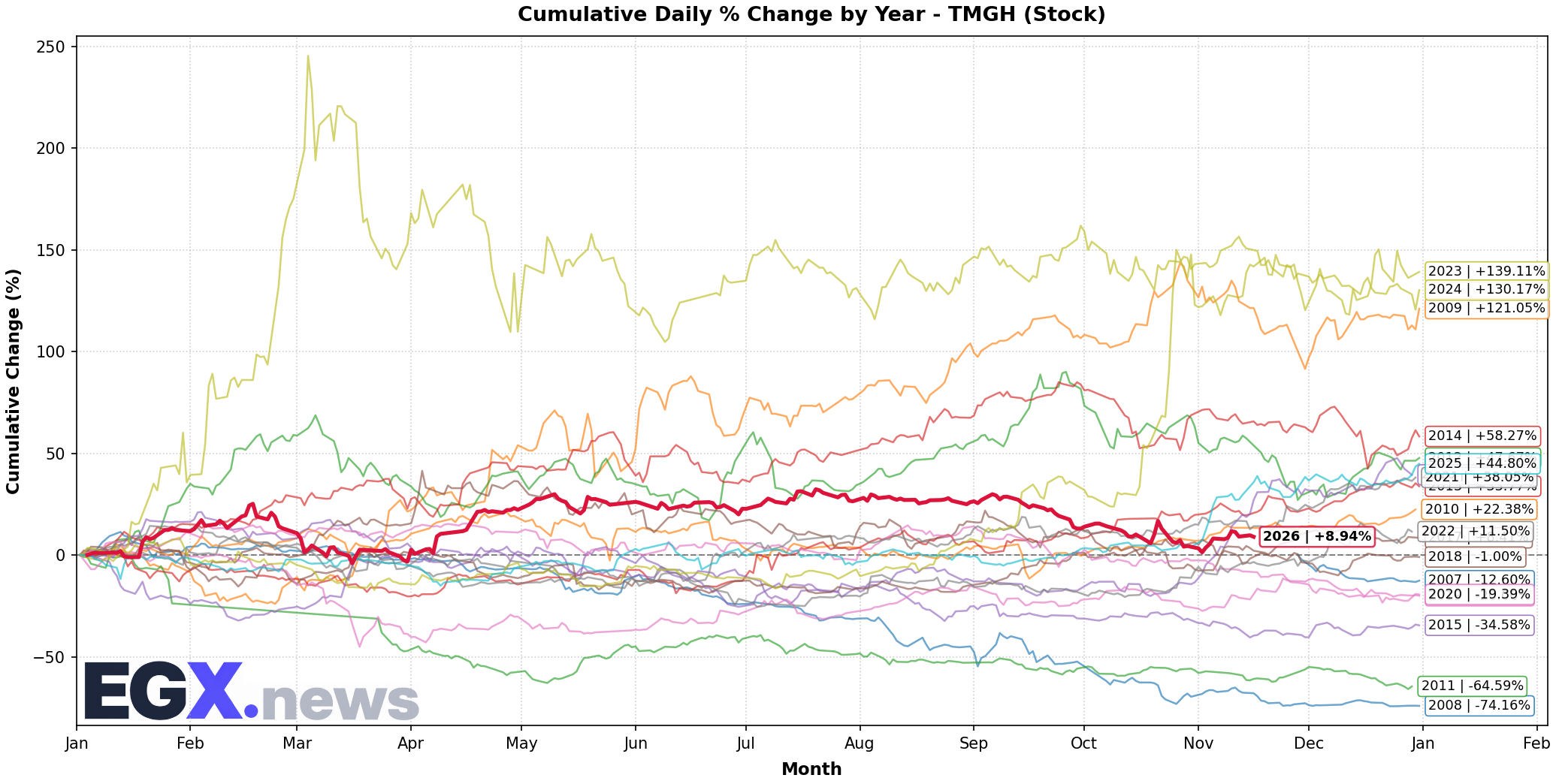
#### Talaat Moustafa Group (TMGH)
TMGH faces increasing pressure due to rising supply of luxury residential units and higher financing costs linked to pound weakness, in addition to weak demand for hospitality assets tied to tourism. The stock closed at EGP 28.10 with a noticeable decline in volume.
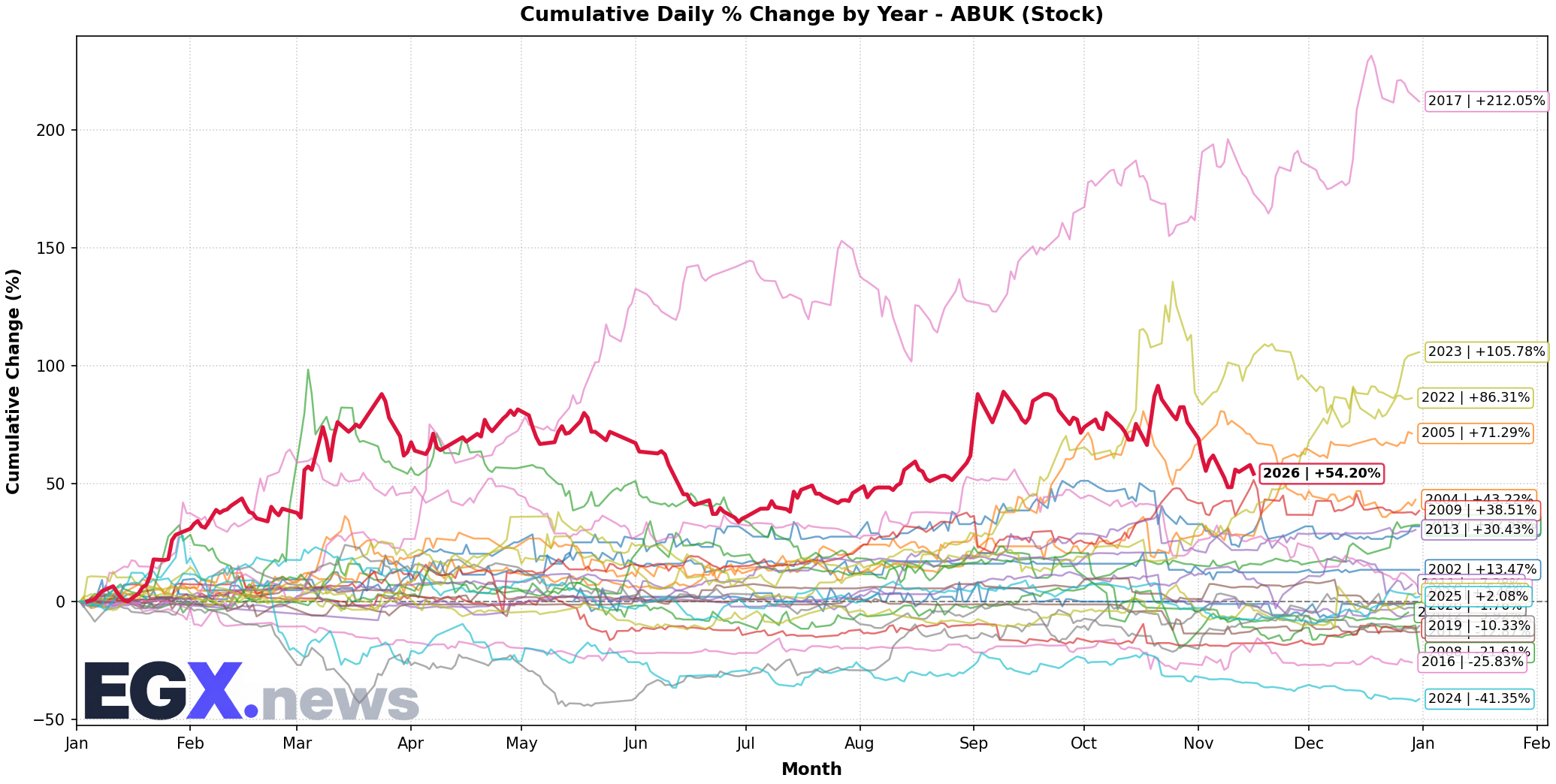
#### Abu Qir Fertilizers (ABUK)
ABUK stock showed stability in the range of EGP 14.50–15.00, supported by steady demand for fertilizers domestically and abroad. The stock did not see sharp movement and is considered neutral‑trend for the session.
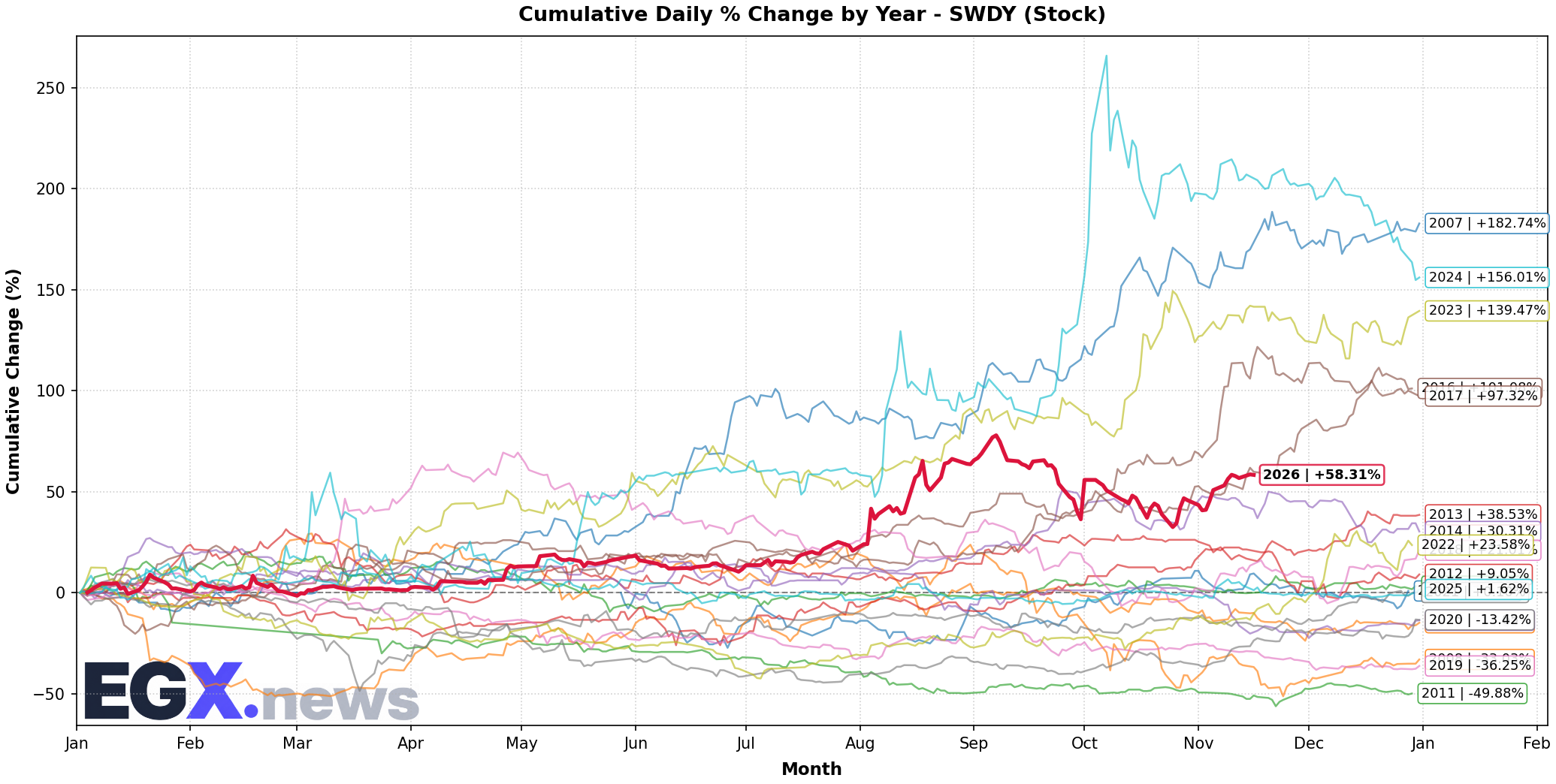
#### SWEDY (Sodic)
SWDY stock recorded a decline to EGP 12.20, affected by concerns over slowing real estate sales and increasing supply in the luxury segment. The stock is under selling pressure from investors seeking quick liquidity.
---
Technical Levels (Support and Resistance)
| Support 1 | Support 2 | Resistance 1 | Resistance 2 | |
|---|---|---|---|---|
| EGX30 | 48,500 | 47,800 | 50,200 | 51,000 |
| EGX70 | 20,800 | 20,200 | 22,000 | 22,800 |
| COMI | 60.00 | 58.50 | 63.50 | 65.00 |
| TMGH | 26.50 | 25.00 | 29.50 | 31.00 |
| ABUK | 14.00 | 13.50 | 15.50 | 16.00 |
| SWDY | 11.80 | 11.20 | 12.80 | 13.50 |
These levels indicate that EGX30 is still trying to test the nearby resistance zone around 50,200 points; failure to break through could lead to a bounce toward the second support at 47,800. For EGX70, breaking the first support at 20,800 could open the path toward the 20,200 level, which represents an important psychological threshold.
---
Liquidity Ratios and Session Details
| Value | |
|---|---|
| Total Trading Value (EGX30 + EGX70) | 4.2 billion EGP |
| Total Trading Volume (shares) | 1.02 billion shares |
| EGX30 Turnover Ratio | 12% |
| EGX70 Turnover Ratio | 8% |
| Average Quick Liquidity Ratio for Financial Sector | 1.35 |
| Average Current Liquidity Ratio for Real Estate Sector | 0.92 |
| Central Bank Dollar Closing Sale Price | 52.74 EGP for sale |
| Medium‑Size Banks Dollar Closing Sale Price | 52.70–52.80 EGP for sale |
The ratios show that liquidity in the financial sector remains relatively adequate, while the real estate sector experiences pressure on current liquidity (ratio below 1), aligning with the negative pressure on TMGH and SWDY.
---
Summary and Recommendations
The session confirmed a clear negative bias in the market, with negative pressures outweighing positive factors. The Egyptian pound’s move toward the EGP 53 per dollar level raises import costs and pressures inflation, while continued global monetary tightening and rising inflation expectations in advanced economies drive investors to withdraw funds from emerging markets, including Egypt.
From a technical standpoint, the indices are approaching critical support zones; any breach of these levels could trigger an additional sell‑off wave. Conversely, stocks with strong capital bases and diversified revenue streams (such as COMI) show better capacity to absorb shocks, whereas stocks exposed to real estate and hospitality cycles (TMGH, SWDY) need careful monitoring to regain momentum.
Short‑term recommendations:
- Focus on stocks with good liquidity and solid fundamentals (COMI, ABUK) as a temporary haven for capital.
- Avoid excessive exposure to high‑leverage sectors under liquidity pressure (real estate, hospitality) until exchange‑rate and monetary‑policy trends become clearer.
- Monitor the support levels listed in the table above; any positive break could open room for a limited technical bounce toward the first resistance.
Medium‑term recommendations:
- Follow developments of the Cairo Bank offering and its impact on overall liquidity and market confidence.
- Assess the effect of Egyptians’ remittances abroad on supporting the pound; if the increase continues, it may ease some inflationary pressures.
- Ensure that any monetary‑fiscal policy aimed at easing is coupled with effective measures to attract direct investment and reduce reliance on short‑term capital flows.
Live Egyptian Equities Coverage
Track real-time quotes, order book market depth, and quantitative technical analytics for all 299 listed companies.
Open Real-Time Market Terminal →