


Egyptian Stock Market Close Analysis: Technical Divergence, Dollar Pressures, and Key Thresholds - 27 October 2026

1. Introduction: Key Features of Today's Session
In conclusion of today's trading session on Tuesday, October 27, 2026, the Egyptian stock exchange recorded technical divergence amid relatively limited cash trading, while the US dollar continued trading above EGP 56 in Egyptian banks, supported by external pressures and sustained domestic demand. The session unfolded against the backdrop of local economic data indicating sufficient stability of the strategic commodities reserve at levels adequate for approximately six months, while key indicators showed sideways movement near critical support levels. Meanwhile, leading stocks exhibited varied movements reflected in technical closing composition, while technical monitoring highlighted the market's need for volume and liquidity confirmations to restore sustainable upward momentum.
2. Key Indices Analysis
In the specialized index analysis, it is evident from the main chart that the EGX30 index tested resistance levels around the 50,000-point area, while the EGX70 index for small-cap stocks remained more affected by selling pressures, with an adjusted reading of 0.64 indicating that selling control persists despite attempts at absorption. In conclusion, technical indicators support the existence of a technical bottom around the 48,500 area for the main index, while the 45,000-point area acquires significant importance as the next support level, followed by a deeper correction path.


3. Core Stock Analysis
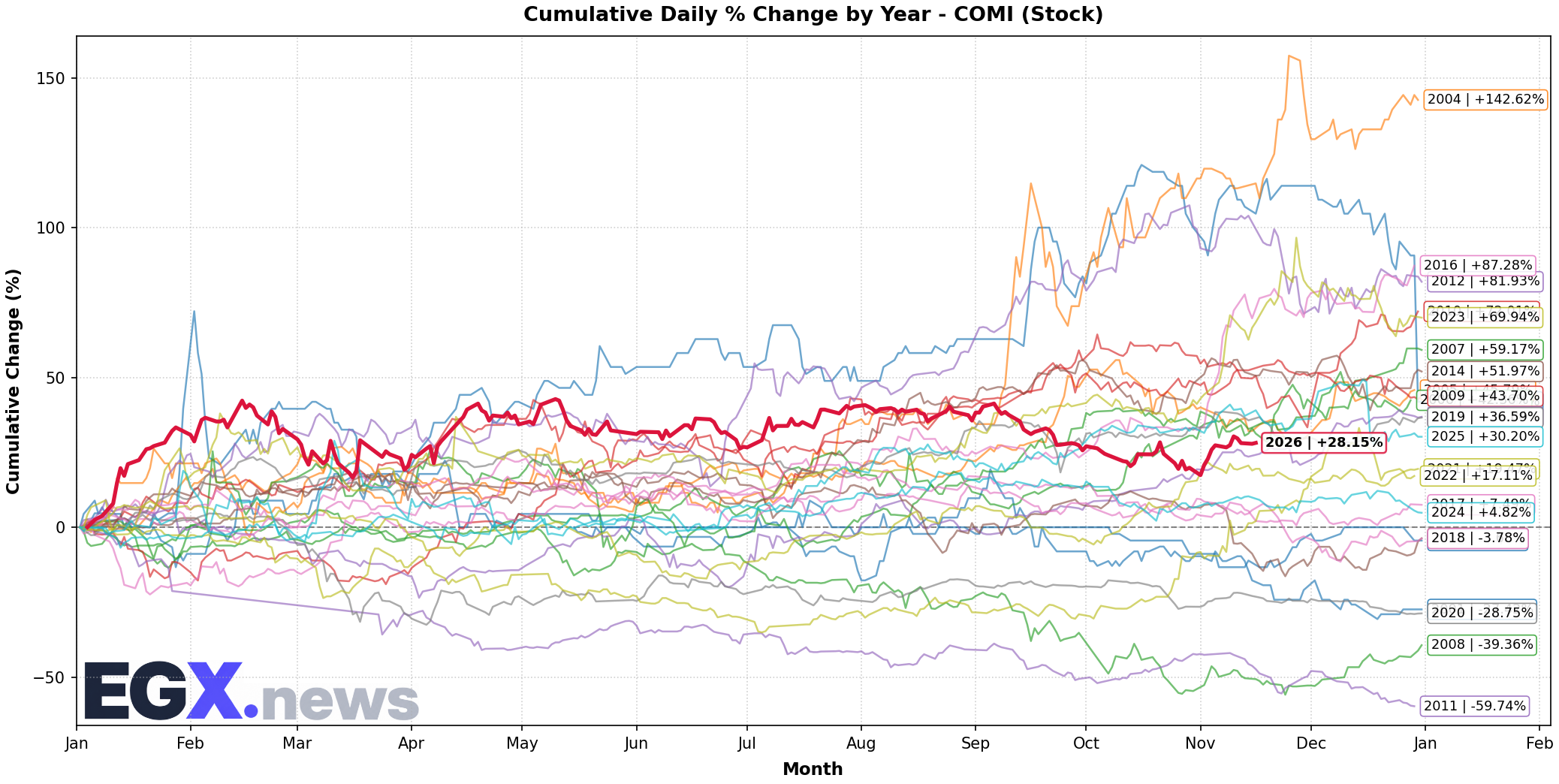
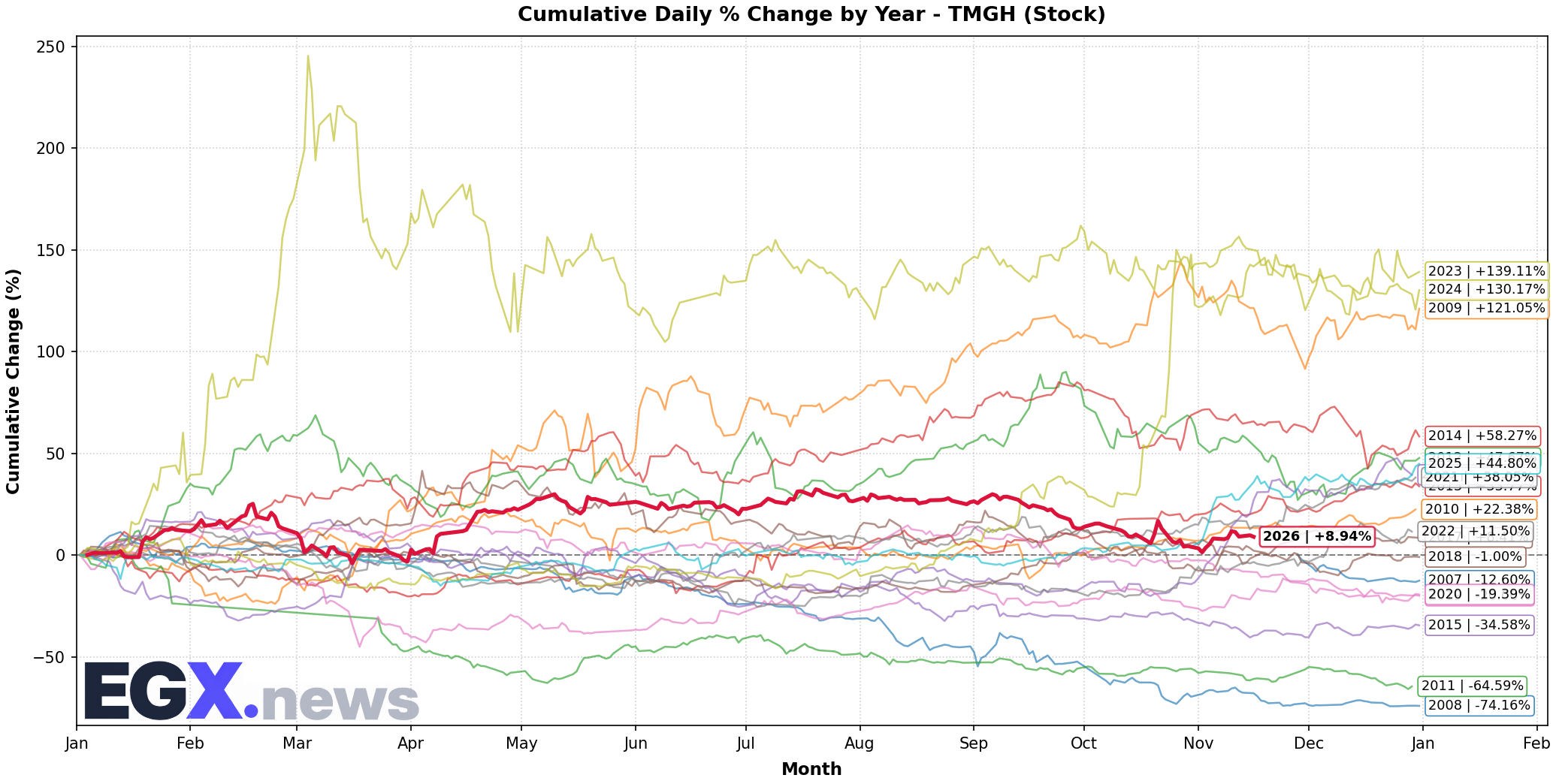
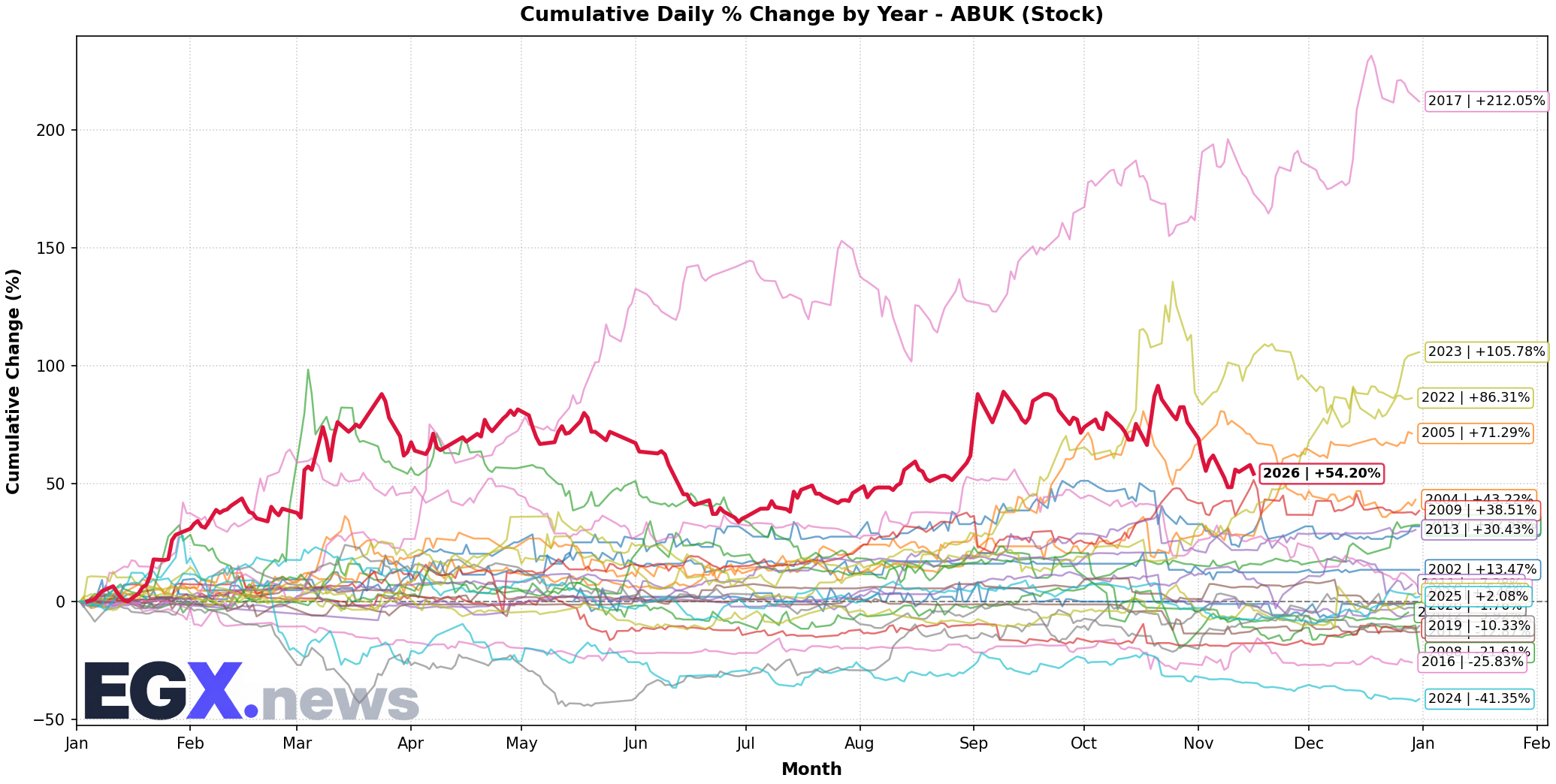
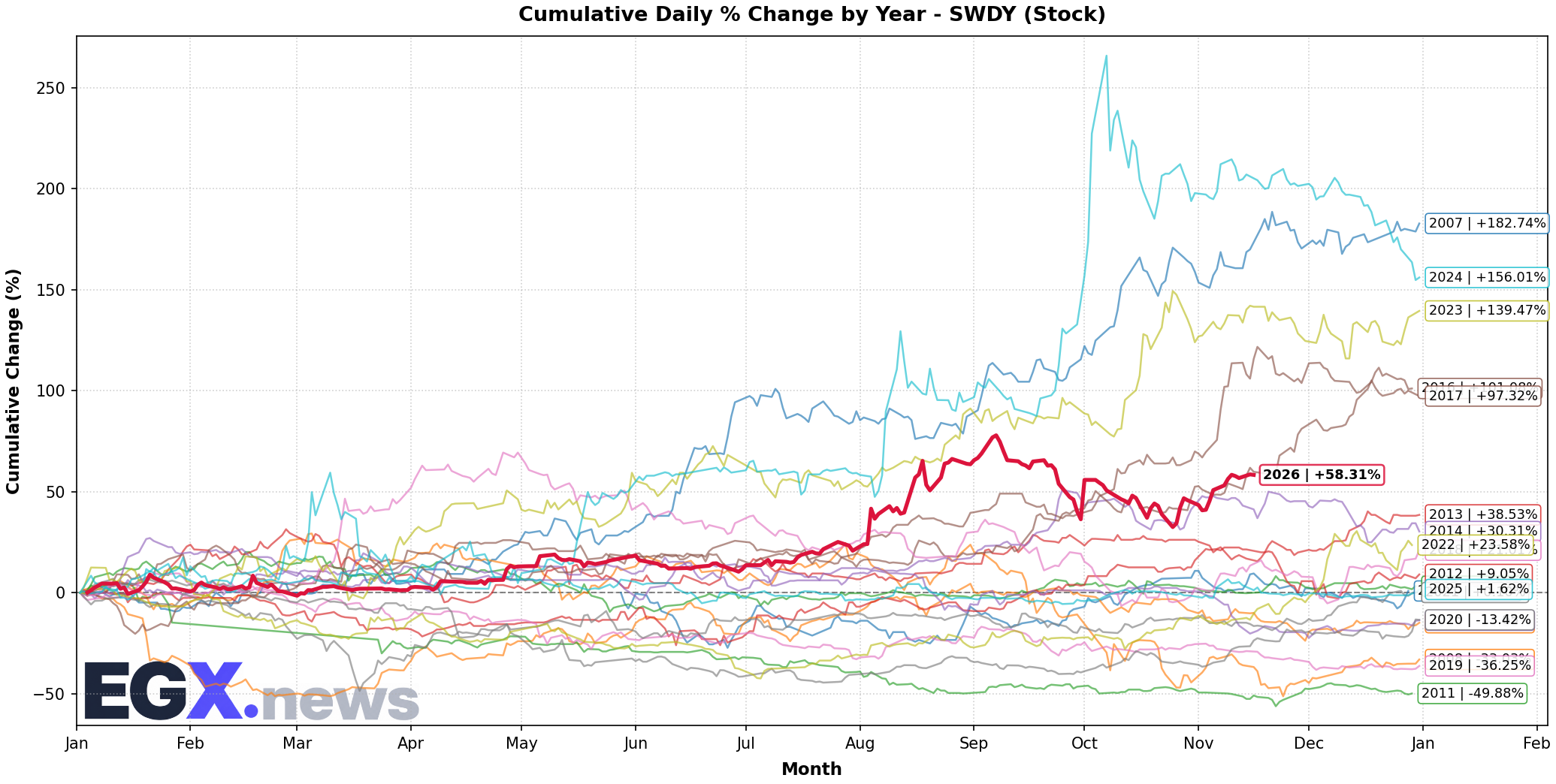
Within the framework of monitoring the most influential stocks in the current trajectory, the following results came based on technical and news context: - COMI (Commercial International Bank): The stock shows a degree of relative stability supported by dollar upside and potential interest rate structure adjustments, while technical indicators suggest attempts at stabilization near key support levels, and institutional investors have a floor during market sell-offs, with confidence in shock-absorption capacity. - TMGH (Taal): Stocks remain exposed to dollar-denominated costs and local currency sensitivity, with recent political developments and market deterioration increasing downside risks, and technical formations suggest continued corrective movement without a clear break of immediate levels. - ABUK (Abouq): The share enjoys stable follow-up amid sector volatility, where the company's financial fundamentals support resilience against general volatility waves. - SWDY (Sawdya): Faces corrective pressures following profit-taking on previous periods, while analysts monitor near-term support levels to determine potential entry points.
4. Technical Levels and Session Close
Technical levels are reflected in the following table, providing an immediate "snapshot" for market participants:
| Financial Instrument | Main Support Level | Main Resistance Level | Technical Note |
|---|---|---|---|
| EGX30 | 48,500 Points | 50,000 Points | Test of stability above 49,200 |
| EGX70 | 42,000 Points | 45,000 Points | Need for liquidity to break resistance |
| US Dollar vs Pound | 55.50 EGP | 56.50 EGP | Stability above 56 EGP supports upside expectations |
| Gold (21 Karat) | 6,200 EGP | 6,400 EGP | Price gap supports safe-haven appeal |
Total session liquidity reached approximately 1.85 billion EGP, traded across 165 companies, with the EGX30 closing at 49,367 points, a modest 0.32% gain, and the EGX70 at 43,210 points with limited 0.78% decline. Most closing stocks ended mixed, while government instrument cash flow showed injection and a ninth-session upward indicator.
5. Local Currency Position and Macro Risks
The local currency dollar continued trading in Egyptian banks above EGP 56 for purchase, supported by net foreign capital outflows and delays in international portfolio flows, while the Egyptian pound showed limited resilience against green currency purchasing pressures. Central bank reports indicate Egypt's external borrowing risk premium has narrowed to 3% from previously 25%, while the banking sector aims to replace dollar dealings with other foreign currencies over longer horizons. Import sectors face mounting pressures, while export-oriented sectors benefit from relatively improved exchange rates. These movements coincide with recent government partnerships exceeding $200 billion with major entities, alongside increases in banking capital earmarked for vital project financing, yet geopolitical tensions and disappearing foreign investors remain the general umbrella limiting positive extensions, with institutional absorption noted in some securities supporting limited resilience amid the overall downward trend.
6. Conclusion and Recommendations
Conclusively, the Egyptian stock exchange remains in a "technical crossroads" phase, requiring volume liquidity confirmations and shifts in foreign investor orientations to restore bullish momentum, while dollar staying above EGP 56 remains a key indicator of financial and monetary dynamics alike. We recommend observers maintain caution in bets on dollar-exposed stocks, while monitoring the aforementioned technical support levels, and balancing portfolios between EGP-denominated assets and defensive tools like gold, which retains safe-haven status during currency volatility. Current analysis underscores the importance of gradual entry and exit from positions, with regular institutional position reviews to ensure alignment with evolving monetary policies.
Live Egyptian Equities Coverage
Track real-time quotes, order book market depth, and quantitative technical analytics for all 299 listed companies.
Open Real-Time Market Terminal →