


Egyptian Exchange Session Harvest 25 November 2026: Market Gripped by Global and Local Selling Pressures - 25 November 2026
Egyptian Exchange Session Harvest 25 November 2026: Market Gripped by Global and Local Selling Pressures
Executive Summary
Egyptian Exchange indices concluded Wednesday's session with a sharp decline, deepening the corrective downtrend that has dominated recent sessions, amid a violent selling wave encompassing most sectors and blue-chip stocks. This performance directly reflects the interplay of negative external and domestic factors, most notably renewed US inflation fears and prospects of Federal Reserve monetary tightening, alongside escalating US tariff threats, which triggered capital flight from risk assets in emerging markets. Domestically, the Egyptian pound's depreciation against the dollar beyond the 54 level exacerbated profit-taking pressures after previous accumulated gains, pushing the Market Health Index to a low of 34.8 points out of 100, with clear selling dominance at 56.9% versus only 16.3% for purchases.
---
Key Indices Performance
| Index | Close | Change | Percentage | Volume (M Shares) | Value (M EGP) |
|---|---|---|---|---|---|
| EGX30 | 28,450.12 | ▼ 1,245.30 | ▼ 4.19% | 450.2 | 3,850.4 |
| EGX70 EWI | 6,210.55 | ▼ 380.75 | ▼ 5.78% | 1,200.5 | 2,100.8 |
| EGX100 | 9,850.30 | ▼ 520.40 | ▼ 5.02% | 1,650.7 | 5,951.2 |
| EGX30 Shariah | 2,980.10 | ▼ 110.20 | ▼ 3.57% | 380.1 | 3,200.5 |

Daily chart of EGX30 showing break of psychological 29,000 support level and formation of a new low.

Small and mid-cap index records sharp decline erasing three months of gains, with elevated volumes confirming intensity of selling pressure.
---
Sectoral Performance Map
| Sector | Relative Change | Index Contribution | Liquidity (M EGP) | Trend |
|---|---|---|---|---|
| Banks & Financial Services | ▼ 4.5% | ▼ 120 pts | 1,850 | Strongly Bearish |
| Real Estate | ▼ 5.2% | ▼ 85 pts | 950 | Bearish |
| Basic Resources | ▼ 3.8% | ▼ 40 pts | 620 | Bearish |
| Telecommunications | ▼ 1.2% | ▼ 15 pts | 410 | Relatively Resilient |
| Consumer Staples | ▼ 0.8% | ▼ 5 pts | 280 | Defensive |
| Non-Banking Financial Services | ▼ 6.1% | ▼ 60 pts | 540 | Most Impacted |
Sector Analysis: Non-banking financial services led declines, impacted by liquidity concerns and rising funding costs, followed by real estate and banks facing dual pressures from profit-taking and exchange rate risks. Conversely, telecommunications and consumer staples showed relative resilience as safe havens during uncertainty.
---
Macro and Global Drivers: A Perfect Storm for Emerging Markets
#### 1. US Inflation Data and Fed Path
Today's Core PCE data release exceeded market expectations, reigniting fears of prolonged restrictive monetary policy. Nasdaq futures plunged over 2.8%, while US 10-year Treasury yields surged, increasing the opportunity cost of investing in emerging markets and pressuring their currencies.
#### 2. Trade Protectionism Escalation
The US administration's proposal to impose new tariffs on 16 major economies, led by China, adds a fresh layer of geopolitical uncertainty. This escalation threatens global supply chains and slows world trade growth, a negative scenario for both Egyptian exports and the Suez Canal.
#### 3. Commodity and Currency Dynamics
Gold's decline of over 2% toward $3,550/oz reflects US dollar strength and rising real yields, pressuring emerging market central bank reserves. Meanwhile, oil's stability above $80/barrel provides limited support to Egypt's public finances but raises the import bill.
---
Local Dynamics: Between Structural Reform and Short-Term Pressures
#### 1. Exchange Rate and Local Liquidity
The USD/EGP rate broke the 54 barrier in the official market, driven by strong importer demand and outflows from short-term government debt instruments. This depreciation reprices currency risk for pound-denominated equities and squeezes margins of companies with dollar-linked costs and local revenues.
#### 2. Medium-Term Supportive Catalysts
Despite the bleak near-term picture, supportive fundamentals remain:
- IMF: Disbursement of the third tranche worth $2.3 billion bolsters reserves and confirms program commitment.
- Energy Sector: Shell's announcement of new gas exploration investments in Egypt supports energy security and sector attractiveness.
- Suez Canal: Navigation stability guarantees despite Red Sea tensions provide stable dollar inflows.
- Upcoming Listings: IPOs of Misr Life Insurance and Egypt Education Platform add market depth and attract new institutional liquidity.
#### 3. Fiscal Indicators
The Ministry of Finance targeting a fiscal space of EGP 4.8 trillion by FY2029/30, and allocating EGP 1.5 trillion for human development over 12 years, reflects commitment to structural reform, though the fruits of these policies require time to reflect in listed company earnings.
---
Liquidity Analysis and Institutional Behavior
Non-Arab foreigners recorded net sales of EGP 420 million, while Arabs net sold EGP 180 million. Conversely, Egyptians recorded net purchases of EGP 600 million, predominantly from local institutions (banks, insurance funds, investment funds) exploiting the decline to increase positions in high free-cash-flow-yield stocks with strong fundamentals.
Advance/Decline Ratio at 0.3 confirms the breadth of the selling wave, with 180 stocks declining versus only 55 advancing, signaling continued high volatility until clarity emerges on upcoming US consumer spending data and Central Bank of Egypt rate signals.
---
Stocks in Focus: Quick Technical Analysis
#### Commercial International Bank (COMI)
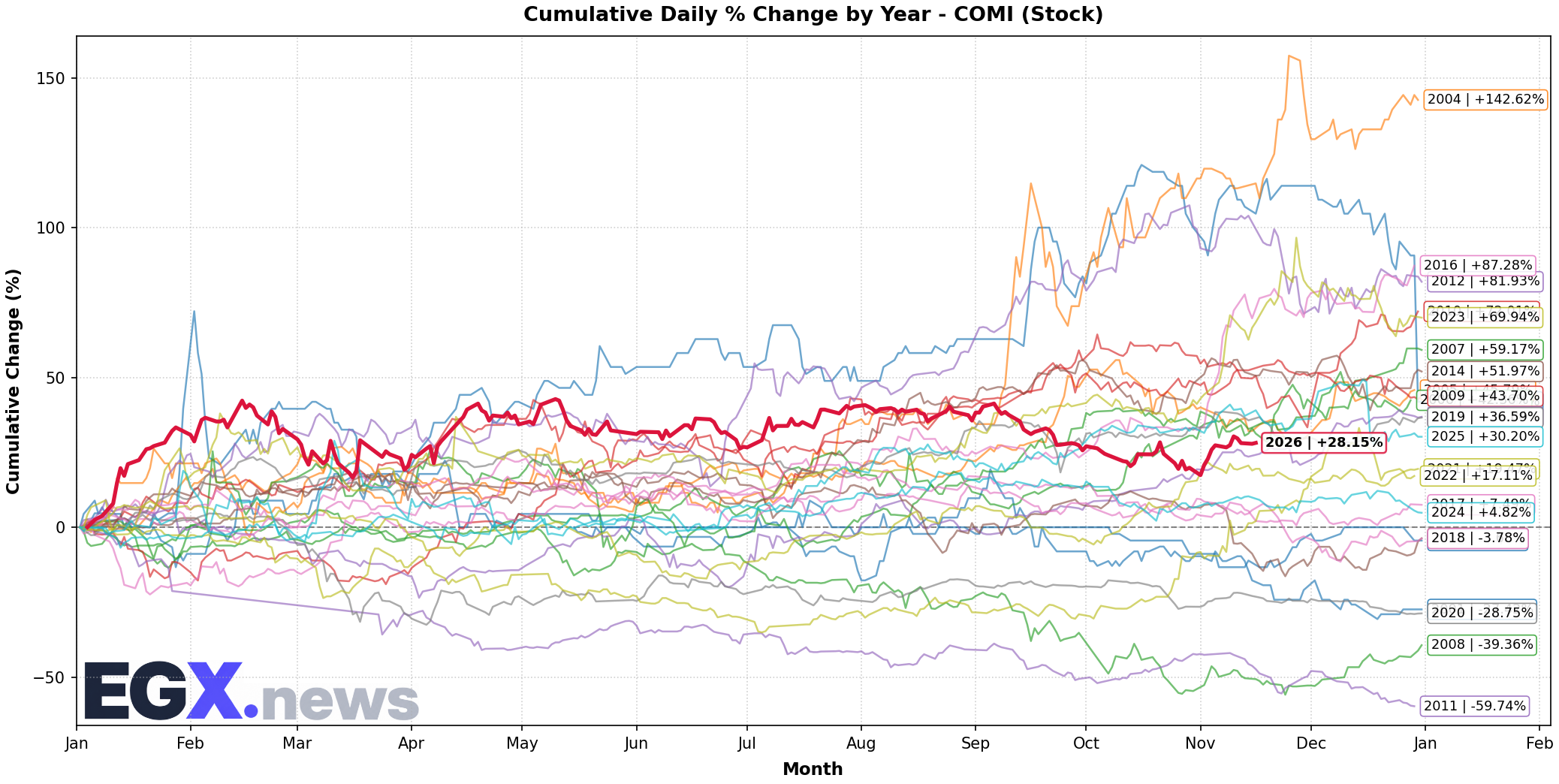
The stock broke its medium-term uptrend line and critical support at EGP 75, targeting the EGP 68-70 zone. Elevated volumes on the break confirm strong institutional selling pressure. New resistance has shifted to EGP 78.
#### Talaat Moustafa Group (TMGH)
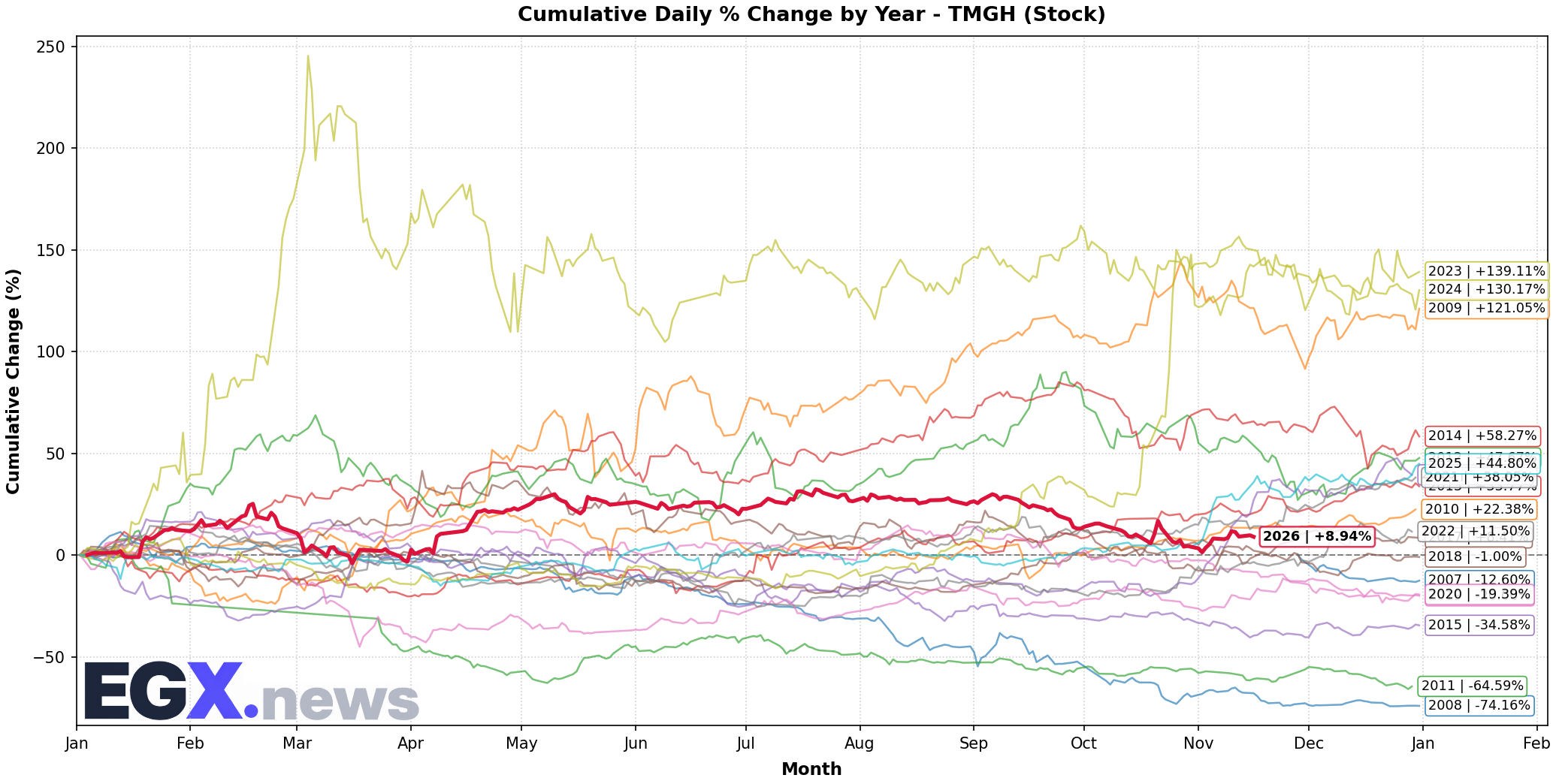
The stock declined sharply, erasing Q4 gains, with a break of EGP 45 support. The entire real estate sector suffers from rising funding cost fears and weakening purchasing power. Next support at EGP 40.
#### Abu Qir Fertilizers (ABUK)
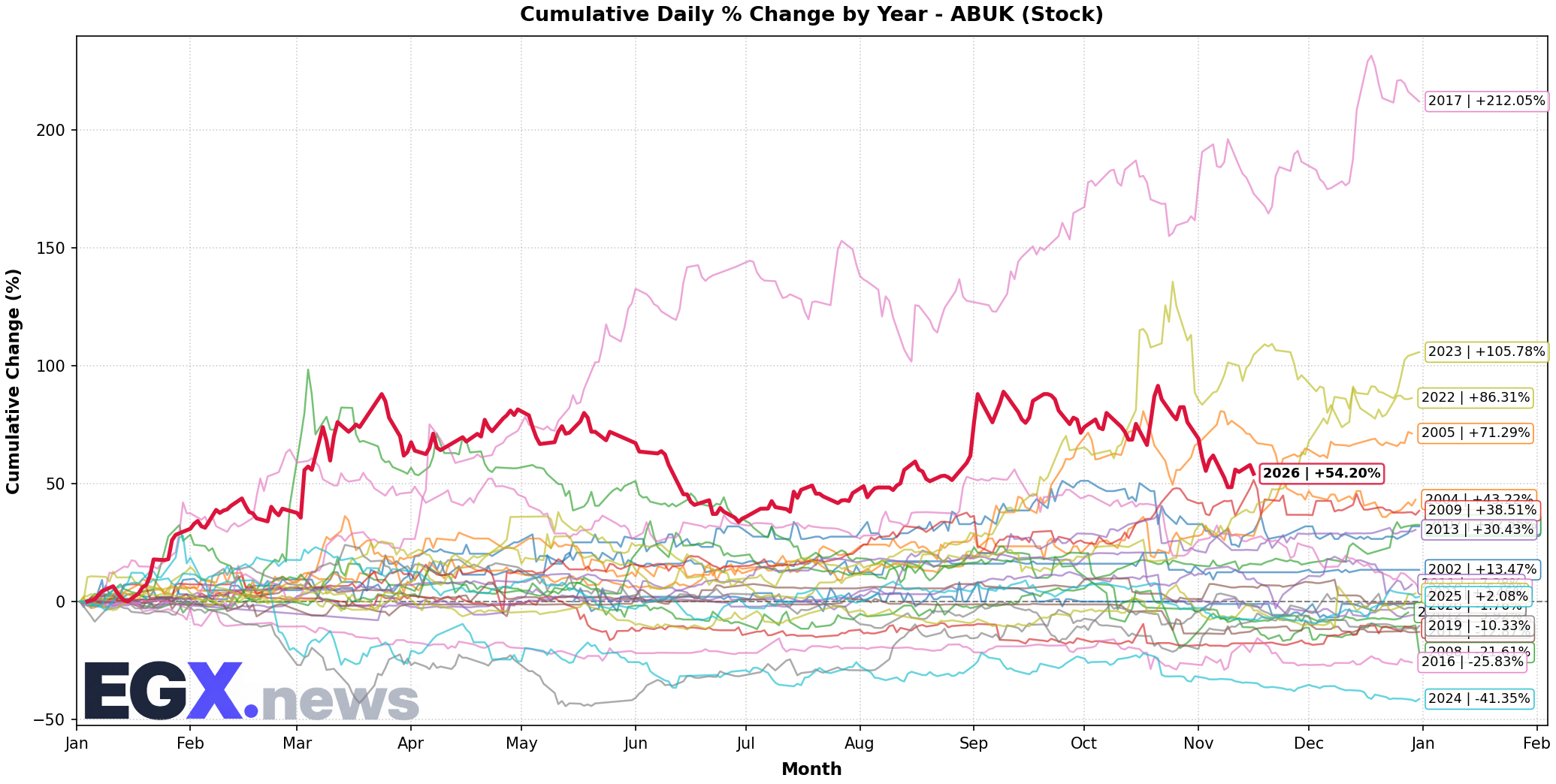
The stock showed relative resilience versus the market, supported by strong global urea prices and attractive cash dividends. A break of EGP 55 support opens the door to EGP 50, though the dividend yield provides fundamental support.
#### Elsewedy Electric (SWDY)
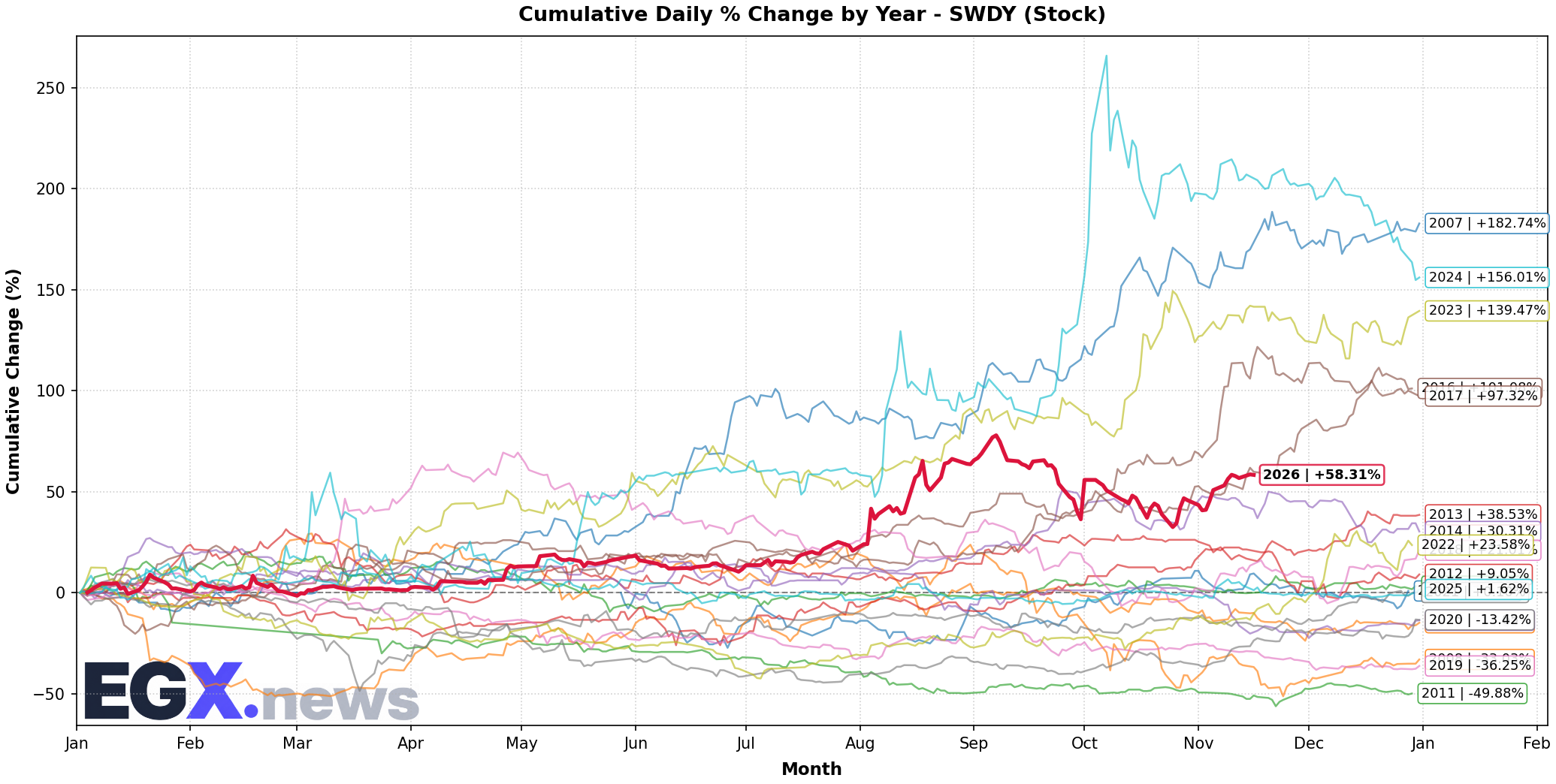
The most impacted blue chip with a decline exceeding 7%, hit by concerns over national project slowdowns and rising imported raw material costs. A break of EGP 60 support sets a technical target at EGP 52.
---
Conclusion and Outlook
The Egyptian Exchange closes the 25 November 2026 session in "forced selling" territory driven by factors beyond local market control. Technical indicators are broken, liquidity is fearful, and global risks are escalating.
Base Case Scenario: Continued sharp volatility and selective selling pressure over the next few sessions, with critical monitoring of upcoming US jobs data and the anticipated Central Bank of Egypt rate decision.
Stock-Picking Opportunities: Stocks with strong balance sheets, high free cash flows, and limited hard currency exposure (telecommunications, select consumer staples, and certain fertilizers) represent a relative haven for long-term investors, subject to strict risk management and position sizing commensurate with current uncertainty levels.
Key Levels to Watch:
- EGX30: Support 27,800 - Resistance 29,500.
- USD/EGP: Range 54.00 - 54.50.
- US 10-Year Yield: Break above 4.5% deepens the crisis.
---
Live Egyptian Equities Coverage
Track real-time quotes, order book market depth, and quantitative technical analytics for all 299 listed companies.
Open Real-Time Market Terminal →