


Egyptian Stock Market Morning Report: Economic Drivers and Interest Rate Stability - 12 October 2026
Egyptian Stock Market Morning Report: Economic Drivers and Interest Rate Stability - 12 October 2026
Executive Summary
Investors approach today's session with cautious trading amid mixed inflation data domestically and internationally, with particular focus on the Egyptian central bank's monetary policy moves and liquidity levels in government debt instruments. Technical indicators show a downward trend dominating most mid- and small-cap stocks, while large-cap stocks with strong net interest margins are poised to support the overall index if the dollar stabilizes. The market also awaits several sectoral and reform events that could pave the way for positive openings in specific sectors.
Macroeconomic Climate and Interest Rate Outlook
The Egyptian market is actively monitoring core inflation data, which recorded 14.1% in September, showing a slight decline but remaining at high levels that maintain a tight monetary policy. The Monetary Policy Committee approved the issuance of treasury bills worth EGP 137.5 billion, with yields showing a downward trend, reflecting the banking system's ability to absorb excess liquidity. Globally, analysts watch oil price movements and global bond yields, as geopolitical tensions in the Middle East and Federal Reserve motives continue to influence capital flows to emerging markets.
From a technical standpoint, analysts monitor the Market Health Index, which scored 33.2 out of 100 points, reflecting a weak trading environment dominated by selling pressure at 51.8% versus buying at 22.1%. This context coincides with a decline in foreign and Arab liquidity in government debt instruments, while major banks retain appeal due to capital concentration and strong asset structure.


Monetary and Political Developments
Egyptian central bank tender auctions absorbed liquidity of EGP 137.5 billion in treasury bills, amid declining initial yields, indicating ample supply from both foreign and domestic institutions. Egypt continues its efforts to attract foreign investment through new offerings in the education sector, where the Egypt Education Platform is slated for an offering in November, alongside Cairo Bank's intention to launch an IPO for 30% of its shares on the Egyptian Exchange later this October.
Regionally, infrastructure agreements with Saudi Arabia and Indonesia remain a focal point, with Kuwait National Bank expecting interest rates in Egypt to hold steady through year‑end, while firms such as Fitch see slowing inflation providing more room for stability, although global pressure on interest rates and currencies keeps the region under close watch.
Market Analysis and Stock Prices
#### Key Indicators
Overall, the EGX30 index recorded a collective decline in morning trading, while the EGX70 index showed a limited corrective upward movement supported by some gaining stocks in the digital payments and energy sectors. Performance varied between large‑cap stocks with strong margins and mid‑cap stocks facing valuation pressures.
#### Pillar Stocks
Analysts focused on four main companies during the report, each exhibiting a distinct pattern based on sector conditions:
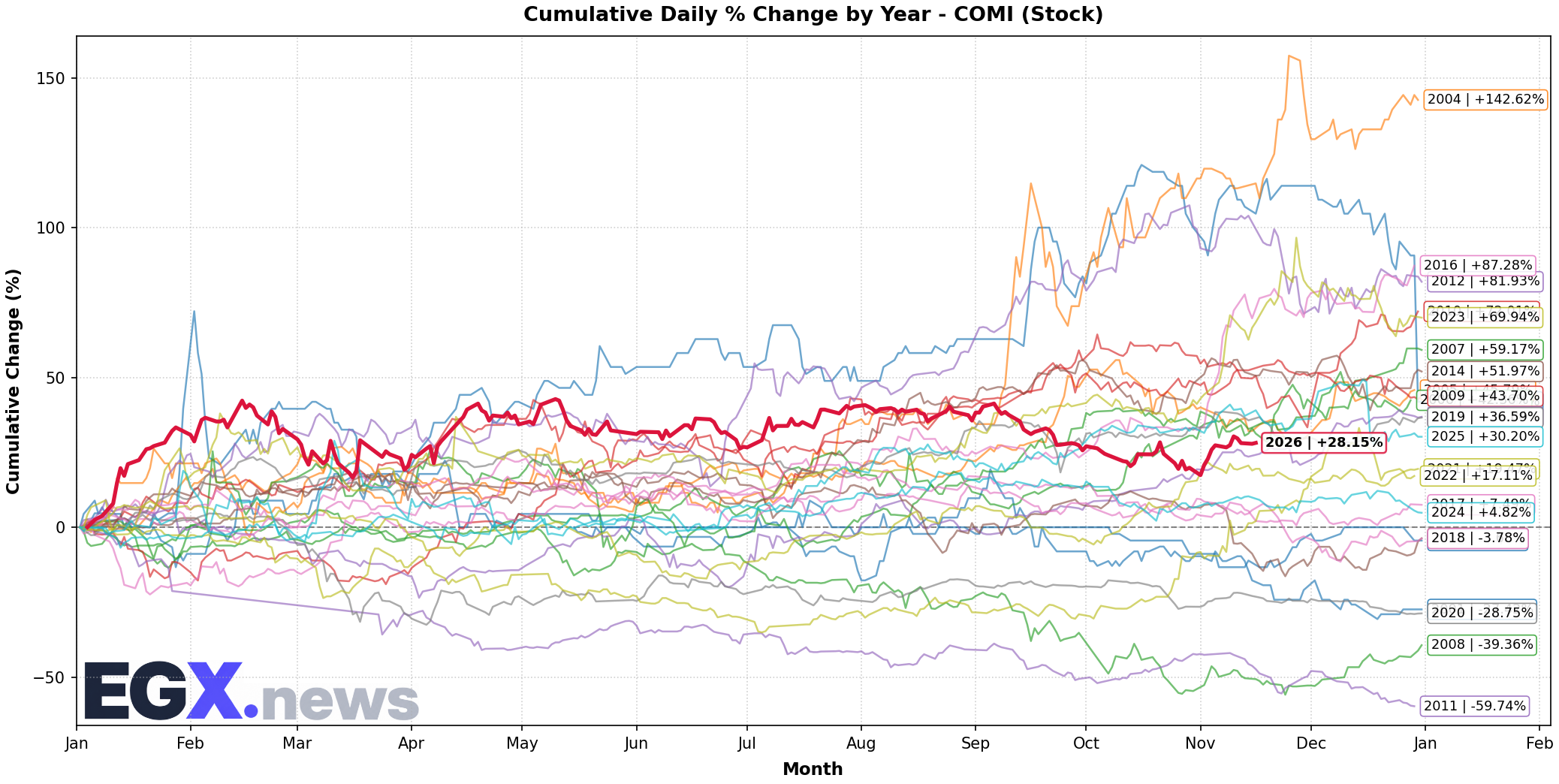
COMI (Food Industries Company): The stock displays solid fundamentals with a stable net interest margin, potential to benefit from steady interest rates, plus a healthy dividend payout ratio and strong capital ratios that support price appreciation despite recent technical weakness.
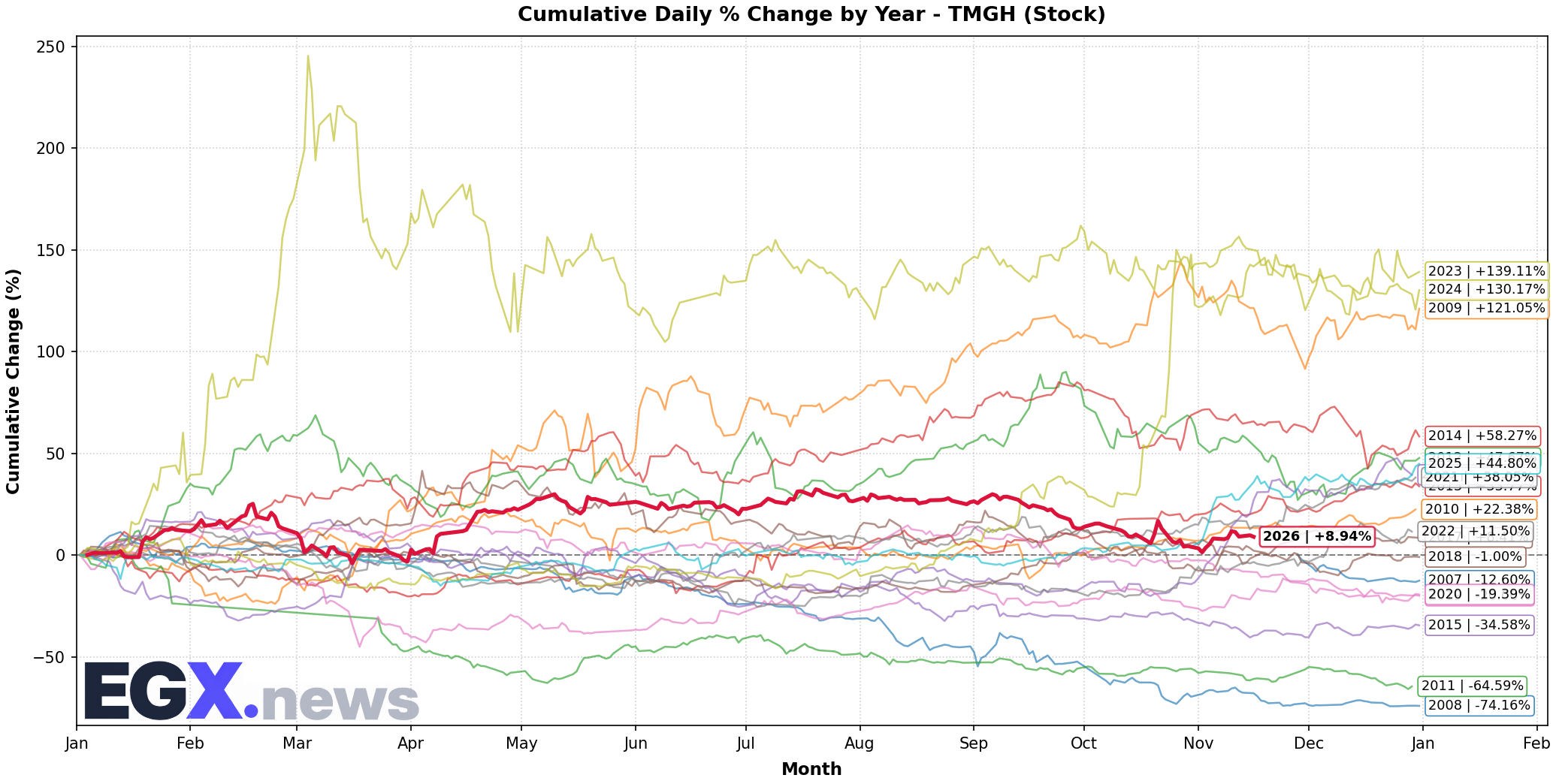
TMGH (Real Estate Company): Faces pressure due to an oversupply of luxury housing units and slowing demand from affluent buyers, where high financial leverage makes the stock sensitive to interest‑rate shifts, with warnings pointing to difficult resistance levels in the near term.
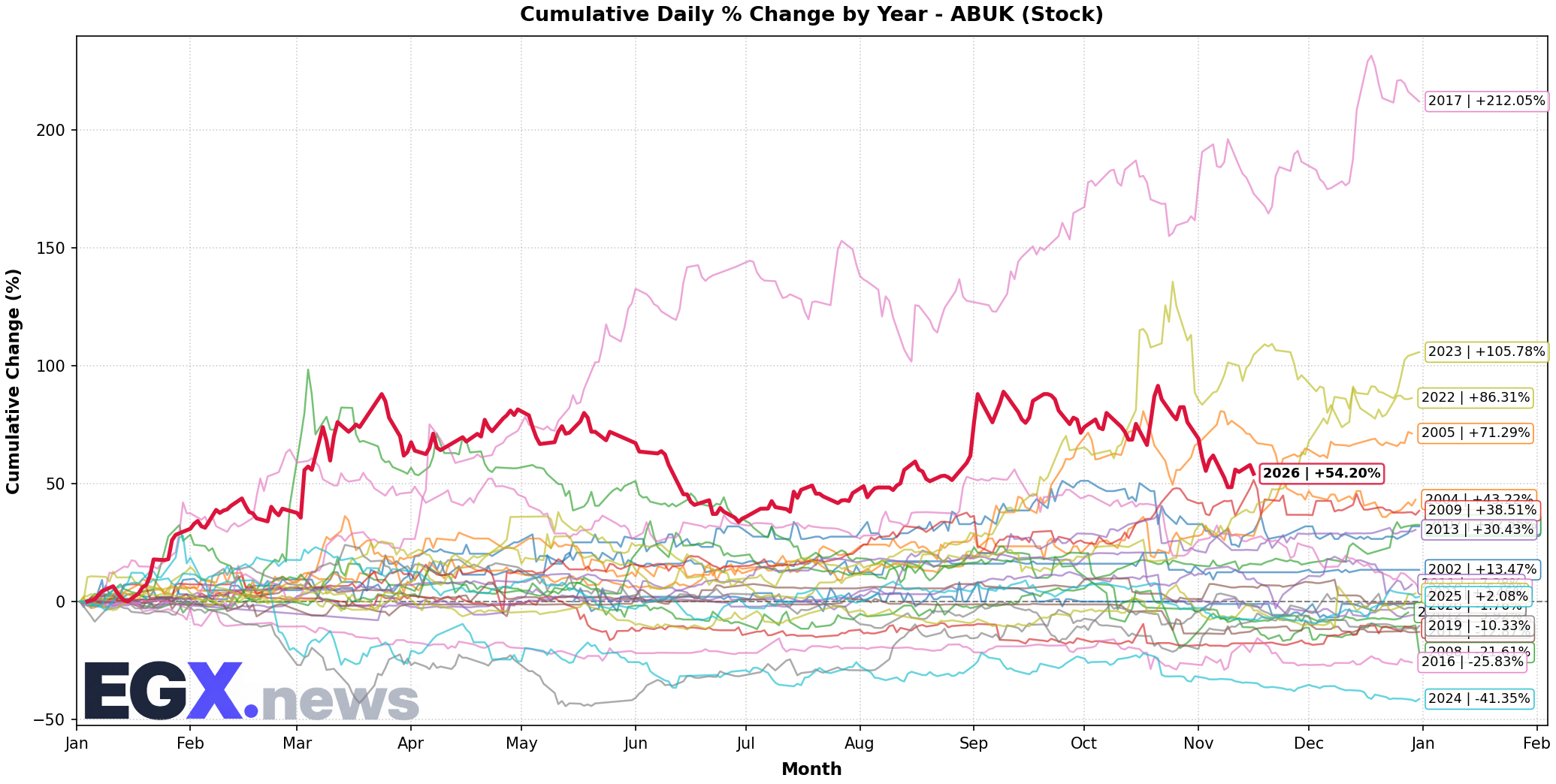
ABUK (Construction Company): The firm is pursuing expansion plans backed by new launches in the housing segment; however, real estate tied to tourism remains exposed to uncertain visitor indicators and exchange‑rate hurdles, raising refinancing risk.
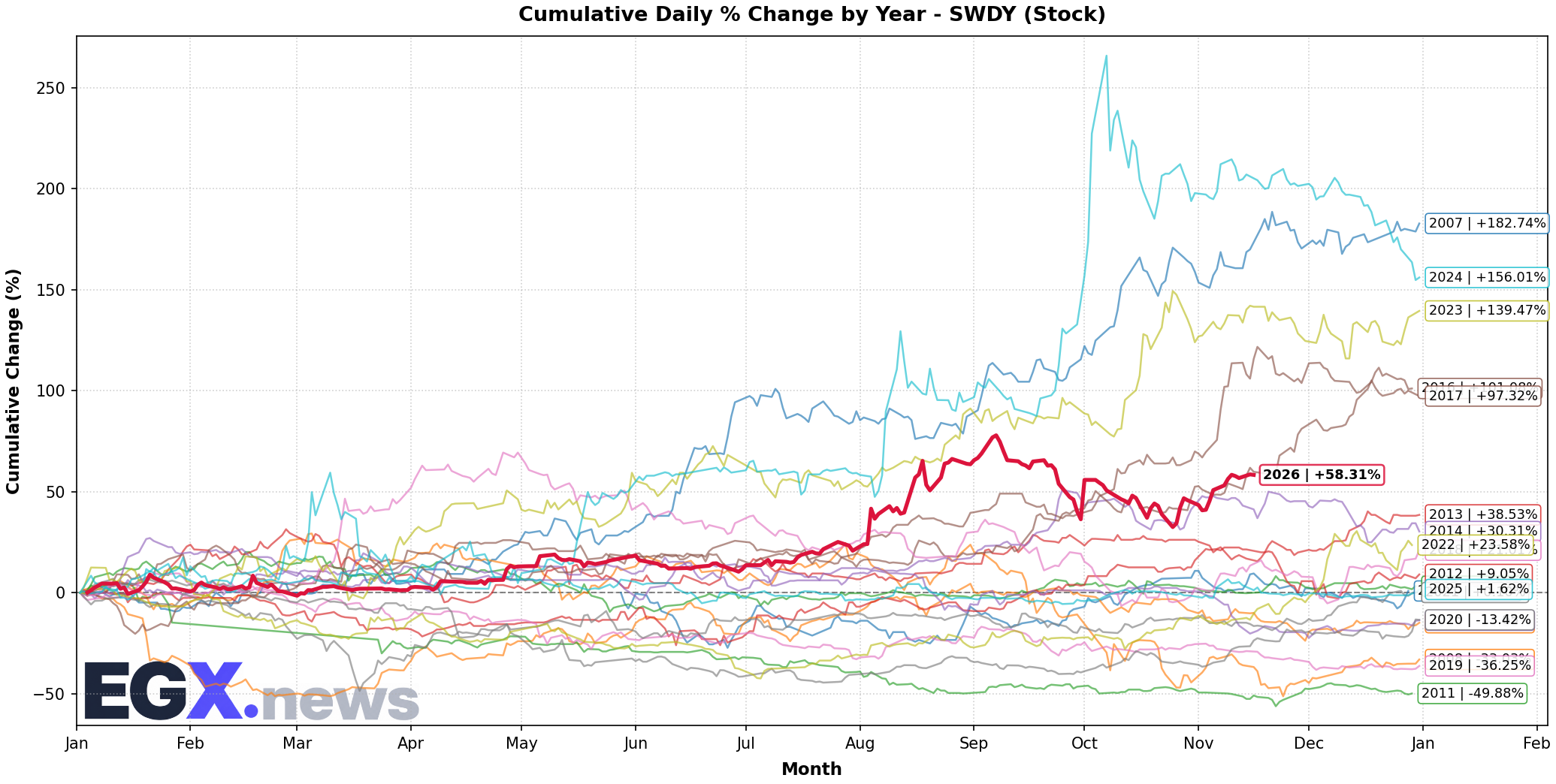
SWDY (Energy Company): Benefits from growth in digital payments and the state’s push for financial inclusion, where rising transaction volumes and an expanding merchant network provide upside for the stock, alongside infrastructure contracts with Saudi Arabia and Indonesia that offer a steady order book and clear earnings outlook.
| Stock | Sector | Technical Assessment | Fundamentals | Cash Distribution |
|---|---|---|---|---|
| COMI | Food Industries | Narrow price range | Stable interest margin, strong capital | Satisfactory dividends |
| TMGH | Real Estate | Tough resistance | Oversupply, high leverage | Limited returns |
| ABUK | Construction | Expansion opportunities | Domestic demand, new projects | Gradual subscriptions |
| SWDY | Energy | Up‑trend, supported | Payment growth, regional contracts | Periodic profits |
Most Influential Sectors
#### Banking and Financial Services
Banks command a large share of liquidity on the Egyptian Exchange, benefiting from steady interest rates and potential fee income from upcoming offerings. Major banks show steady credit growth, healthy net interest income, and a robust deposit base that provides the flexibility needed in a currency‑transition environment.
#### Real Estate and Construction
The sector experiences stability linked to unit availability and raw material costs, while government infrastructure projects and real‑estate financing transactions support demand backed by the Egyptian pound. Companies with strong capital structures anchored in developed land remain the most stable.
#### Energy and Industry
Performance in this sector is closely tied to global oil prices and new government contracts. Indicators suggest distribution and renewable‑energy firms gain from joint‑venture project flows with neighboring countries, whereas raw‑material‑intensive firms face margin pressures due to price volatility.
Opening Expectations and Trading Session
Today’s session is expected to see trading ranging from flat to sideways movement, with a slight bias toward buying in large‑cap stocks with strong margins, while mid‑cap and average‑market‑cap stocks may encounter selling pressure. The opening price for the dollar is forecast around EGP 52.40 for buying, with attention to the pound’s fluctuations against major currencies. Markets await new data from the central bank on upcoming auction schedules, which could inject fresh momentum into financing and fintech sectors.
If treasury‑bill yields remain stable without spiking, investors may shift allocations toward banking stocks and dividend plays, while focus stays on any official statements regarding monetary‑policy adjustments in the forthcoming meeting.
Conclusion and Outlook
The overall climate for the Egyptian Exchange remains influenced by global inflationary pressures, local monetary‑policy moves, and pound volatility. Stocks with strong net interest margins and solid capital ratios offer opportunities limited to, while stocks reliant on consumer demand and luxury real estate remain under cautious technical surveillance. Anticipated government offerings and relative stability in the exchange rate may support some sectoral rebound, while maintaining a diversified portfolio approach to counter expected fluctuations.
Live Egyptian Equities Coverage
Track real-time quotes, order book market depth, and quantitative technical analytics for all 299 listed companies.
Open Real-Time Market Terminal →