


Morning Insight: Egyptian Exchange and Macro-Economic Analysis - 16 October 2026
Morning Insight: Egyptian Exchange and Macro-Economic Analysis - 16 October 2026
Morning Introduction
Morning attention turns to the Egyptian Exchange trading session on the fifteenth of October, amid cautious divergence between major and broad indices, while the US dollar continues to record historic levels against the pound, imposing inflationary pressures and challenges on import‑dependent sectors. Investors await the monetary policy cues from the European Central Bank and the Federal Reserve, as the Egyptian government presses ahead with its reform programme of capping energy subsidies and fixing fair prices for strategic crops. This report focuses on macro‑drivers, target price levels, and the outlook for the session open based on overnight moves in global and local financial instruments.
Global and Local Economic Situation
Internationally, US inflation data for September showed an unexpected rise to 6.3%, reinforcing market expectations of sustained pressure on the Federal Reserve and the continuation of tightening. Ten‑year Treasury yields fell sharply after recent Fed officials hinted at possibly extending the tightening cycle, while US equities dropped sharply on broad selling in the semiconductor sector led by Nvidia, pushing the Nasdaq down more than one point. Conversely, European markets rose on bank‑sector support, and gold prices gained over 1.7% as investors sought a safe haven amid currency and yield volatility.
Locally, Samih Sawiris said the real‑estate market is undergoing a necessary correction wave, and the presence of major players in the sector guarantees stability. Meanwhile, the Ministry of Finance announced settlement of export dues worth eight billion pounds for 2,054 companies, which should boost dollar inflows. The Automatic Petroleum Pricing Committee decided to keep fuel prices unchanged, as part of a policy to curb inflationary pressures and protect consumer purchasing power. The International Energy Agency said it plans to inject 20 million barrels of diesel into global markets to tame sharp price rises, while the government continues to work on setting fair prices for wheat and strategic crops ahead of the upcoming season.
The Egyptian Central Bank dollar index rose to a new level, with the morning trading price reaching around 53.50 pounds for sale in several major banks. At the same time, the government announced the start of payments for the new depository receipts of Danjoute Group shares, which are expected to attract sizable foreign flows through the Egyptian Depository Receipt (EDR) structure. Furthermore, the Financial Regulatory Authority is preparing to launch a short‑selling mechanism in the coming weeks, providing new hedging tools for institutional investors.
Dollar Moves and International Yields
The Egyptian pound suffered consecutive losses versus the US dollar last week, registering a decline of about 1.99% against the dollar, bringing it close to the 53.50 pound level in both state and private banks, while IMF data showed improvement in the country’s macro‑indicators despite the tight external environment. These moves occur amid the dollar’s continued dominance in global markets, supported by US inflation data that exceeded forecasts, bolstering the Fed’s tight‑tightening stance.
On the yields front, ten‑year US Treasury yields posted a temporary dip after the latest data, but expectations are for yields to stay elevated in Q4, keeping pressure on emerging markets including Egypt. By contrast, the global gold price steadied around $1,950 per ounce as safe‑haven demand rose, while gold in Egypt reached new levels above 6,200 pounds per gram for 21‑carat, supported by local currency weakness and higher import costs.
Attention also turns to the upcoming Fed meeting, where rates are likely to remain unchanged unless new economic data justify a shift. Locally, the Central Bank of Egypt continues to coordinate fiscal and monetary policy with the Ministry of Finance to curb inflation, which remains high but showed signs of slowing in September last year.
Main Indices Analysis
At the close of the previous session, the EGX30 rose 1.52% to finish at 52,273.34 points, lifted by heavyweight and banking stocks, while the EGX70 fell 2.74%, extending the correction seen in the broader market. The performance reflects the divide between sectors with foreign‑currency assets and domestically‑oriented firms that rely on local‑currency revenues; banks benefited from a stronger dollar, whereas real‑estate shares faced pressure from higher construction costs and dollar‑linked subsidies.


Market liquidity amounted to around EGP 877 million, with the banking sector contributing 12.46% of total turnover, while fairly valued stocks drew analysts’ attention amid expectations that the divergence between the main and broad indices will persist in today’s session. Analysts are watching the 51,800‑point level as key support for the EGX30; a break below could trigger additional selling pressure, whereas a break above 53,000 points would represent an important psychological resistance that could open the door to further selective gains.
Core Stock Analysis
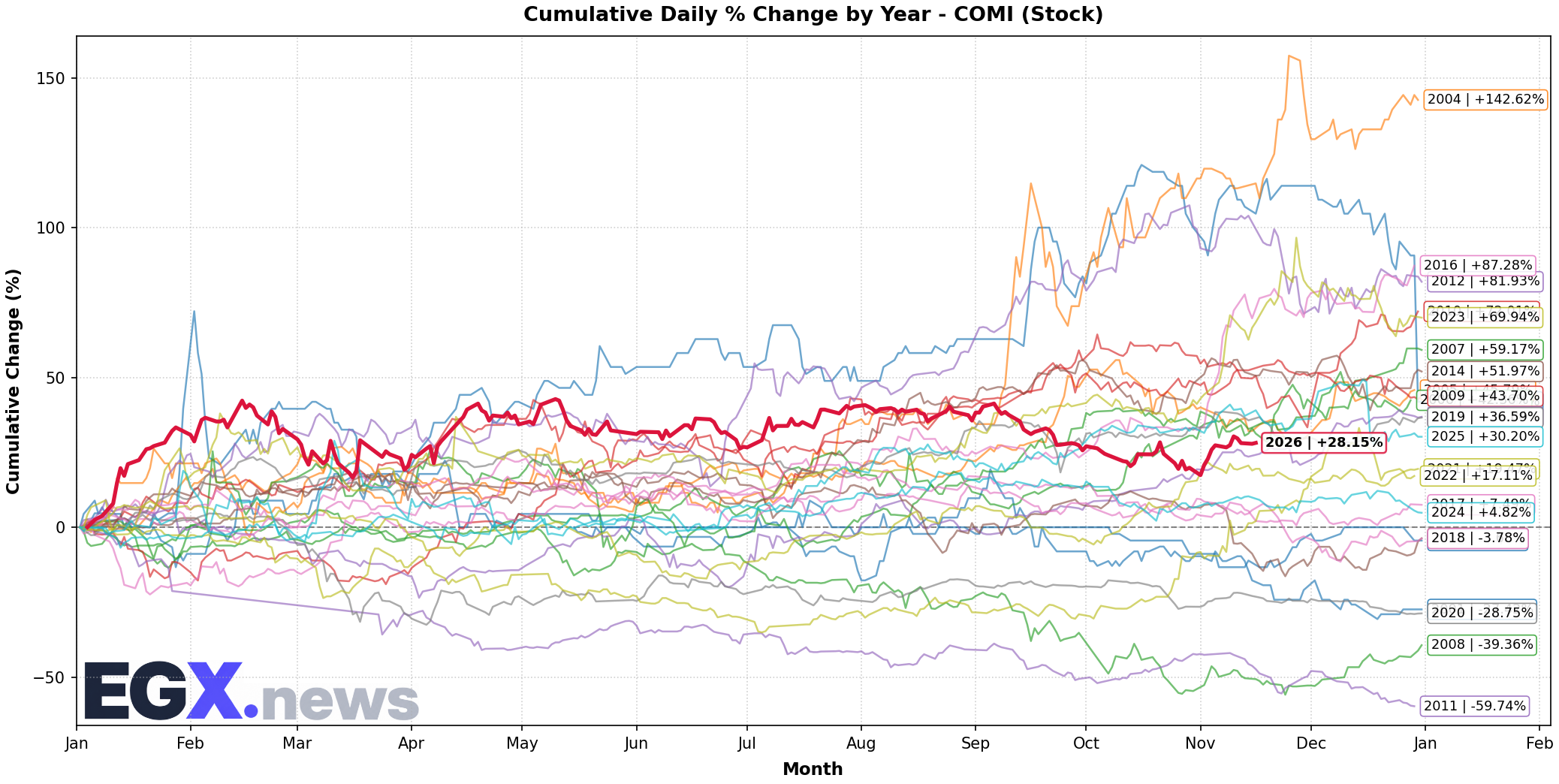
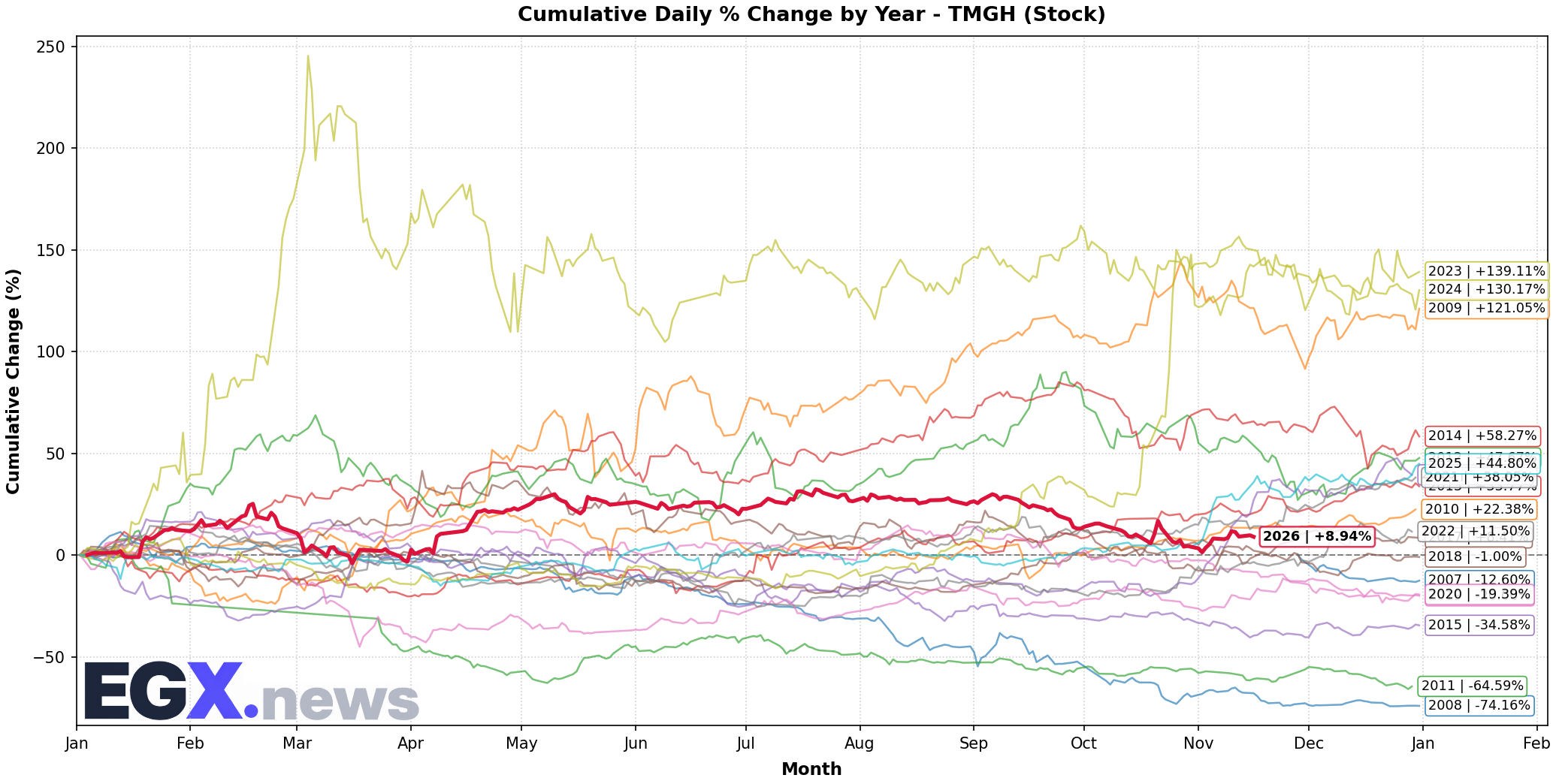
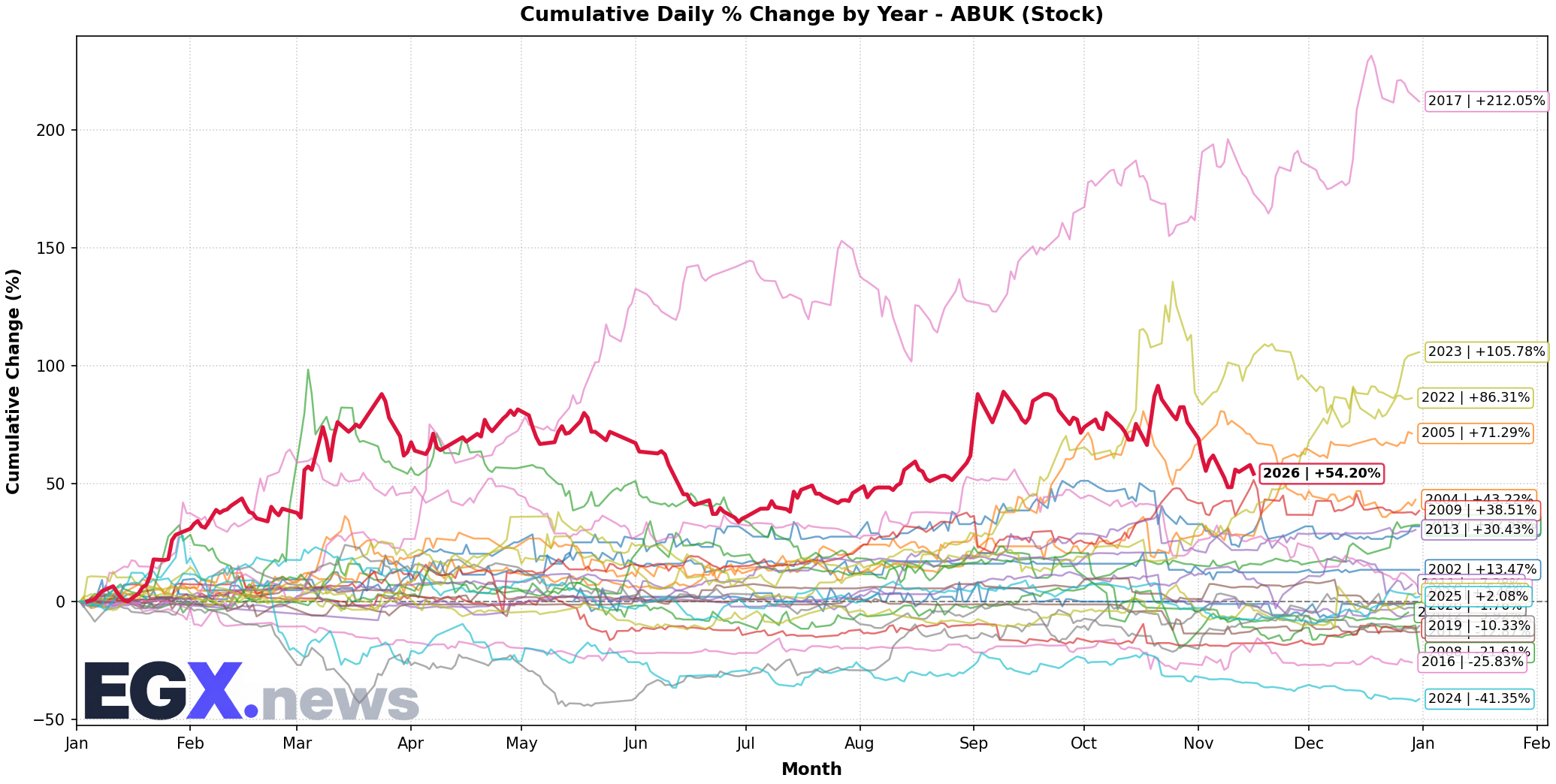
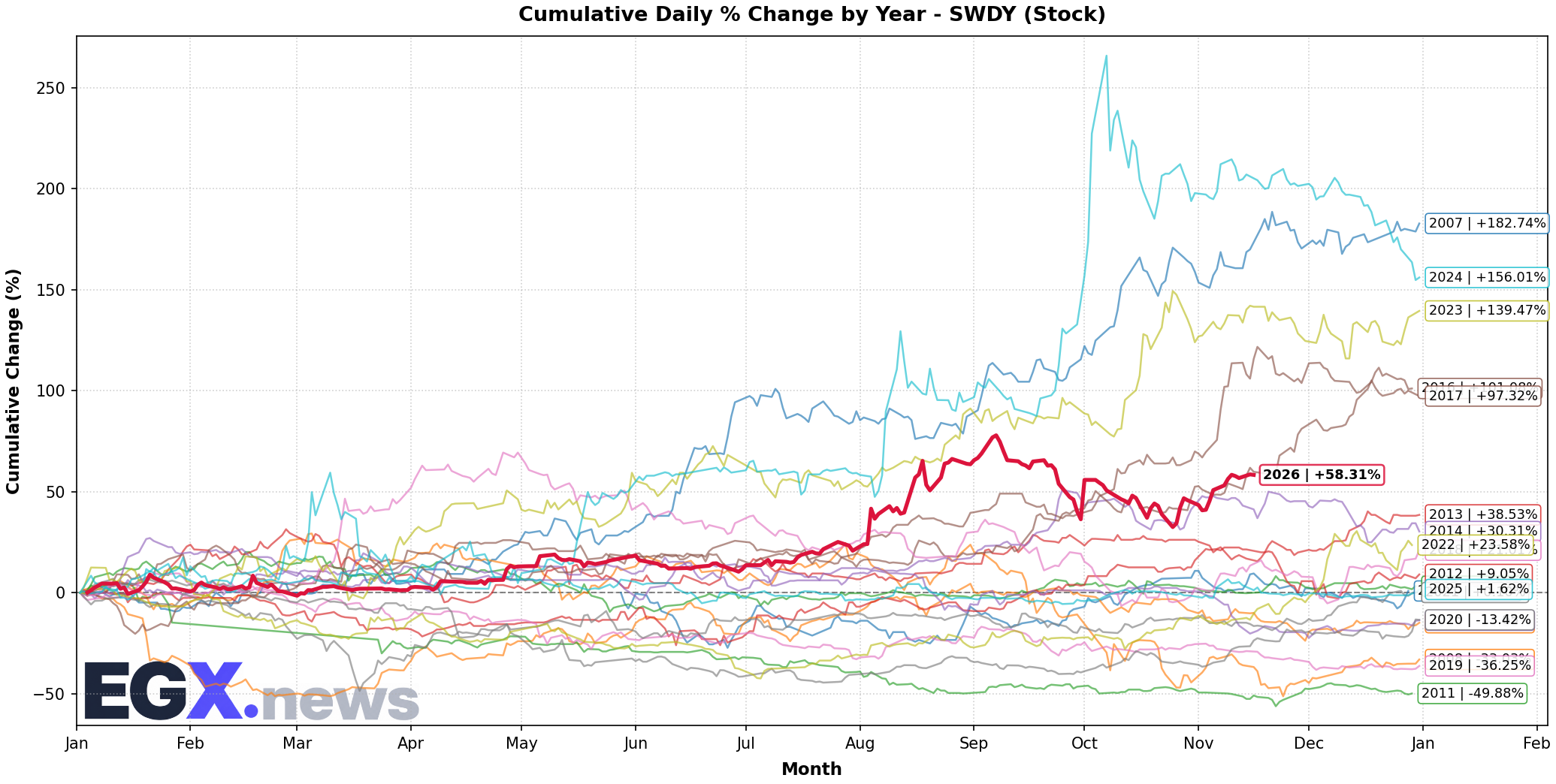
CIB (COMI)
Market attention is turning to COMI shares following news that major shareholders are moving toward foreign depository receipts, a move expected to boost liquidity and attract international investors, especially as the dollar strengthens and bank margins improve. Technical indicators suggest the stock may test new resistance levels; confirmed foreign buying flows could see the shares embark on an upward trajectory supported by improved distribution and profitability ratios.
TMGH Group (TMGH)
The real‑estate sector is dominated by a critical correction, per Sawiris’ comments, with the TMGH stock facing pressure from high leverage and delayed sales, while dollar‑denominated construction material costs rise. Investors are advised to guard against sharp volatility and to focus on subsidiaries that generate positive cash flow and sustainable sales levels, as the government seeks fair prices for strategic crops that could positively impact the related public sector.
Delta Food & Industries (ABUK)
Food and industrial shares continue along a path of relative stability, underpinned by steady domestic demand and the ability to pass on prices in response to currency swings. The stock maintains strong support levels, although any setbacks in raw‑material prices pose a margin challenge; optimism remains backed by steady consumer demand.
Swedish Food Industries (SWDY)
Agricultural and industrial stocks tied to local sourcing are supported by the government’s decision to keep fuel prices unchanged, which lowers production and transport costs. Analysts are monitoring performance levels amid expectations of expanded arable acreage in the coming season, while taking into account the impact of exchange‑rate swings on operating margins.
Interest Rate and Liquidity Policy
In anticipation of rising inflation, the Central Bank of Egypt maintains a tightening policy, bolstered by indirect foreign‑investment flows via depository receipts and government instruments. The bank’s latest data show a withdrawal of approximately EGP 285.3 billion from open‑market deposits, while the banking sector continues to record high acceptance rates in treasury‑bill tenders, supported by competitive yields relative to alternative assets.
Market indicators suggest that deposit rates may remain at current levels over the coming months if annual inflation stabilises around 13‑14%, while lending rates are expected to stay high to incentivise liquidity inflow into the banking system. In the same vein, the Ministry of Finance announced a plan to cut external sovereign debt by roughly USD 6.5 billion over the next three years, easing the budgetary burden and strengthening the state’s capacity to service hard‑currency obligations.
Precious Metals and Commodities Movements
The precious metal continued its global upward trajectory, aided by occasional dollar dips and rising inflation expectations, while domestic prices hit a record above EGP 6,200 per gram for 21‑carat gold, even as investors paused on spot purchases ahead of upcoming Fed decisions. Reports indicate that Egyptian gold is trading at about EGP 40 below its fair value per gram, opening a medium‑term buying opportunity.
On the strategic‑commodities front, the Egyptian government has fixed procurement prices for wheat and other strategic crops, while the domestic market is poised for active movement as the harvest begins and upcoming volumes are priced. Export firms have continued to adjust prices in line with exchange‑rate swings to boost competitiveness abroad.
Session‑Opening Outlook and Near‑Term Prospects
Today’s trading session is likely to open with a slight divergence, with the EGX30 tipped to rise on backing from banking and export stocks, while the EGX70 remains under selling pressure in heavily domestic sectors. Investors are watching the 52,000‑point level as a key support for the EGX30; should that fail, the next support would be tested at 51,500 points.
Technical readings suggest liquidity will focus on dollar‑denominated assets and dividend‑paying stocks, while real‑estate shares may see a correction. The market awaits upcoming US inflation data and further Fed officials’ comments, while attention remains on the inflows from new depository receipts and deposit rates.
The stocks most sensitive to dollar swings—banks and exporters—are expected to trade within a bid‑ask range, while investors will stay alert for any sudden shifts in global interest rates or macro‑economic data.
Conclusion
In summary, Egypt’s market remains in a phase of adjustment to international and domestic volatility, with the dollar dominating headlines at record levels while foreign‑asset‑backed sectors benefit, and domestically focused groups face inflationary pressures. This outlook anticipates continued divergence between the main and broad indices, with investors focusing on new hedging tools such as short‑selling and on the performance of companies targeted for the Egyptian depository‑receipt programme. Monitoring central‑bank policies and Fed direction will be key to shaping the next move in the financial markets.
Live Egyptian Equities Coverage
Track real-time quotes, order book market depth, and quantitative technical analytics for all 299 listed companies.
Open Real-Time Market Terminal →